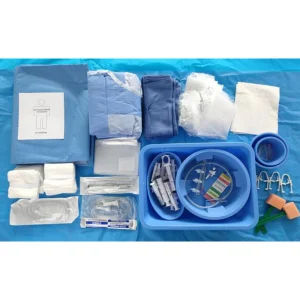
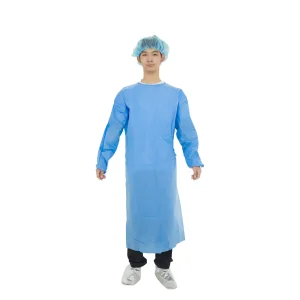
High-precision disposable medical instruments and protective equipment optimized for global clinical environments.
How modern material science and strict regulatory frameworks govern the global supply chain of medical wound closure barriers.
In the hyper-regulated landscapes of modern wound care and clinical surgery, surgical adhesive bandages have evolved far beyond mere post-operative covers. They represent the primary mechanical barrier against Surgical Site Infections (SSIs), which contribute significantly to patient morbidity and escalation of healthcare costs. Achieving a perfect balance between high-adhesion reliability and skin-friendly breathability requires specialized polymer chemistry and state-of-the-art cleanroom manufacturing.
When evaluating the top 10 surgical adhesive bandages factories & exporters, global procurement officers look beyond basic wholesale pricing. Crucial parameters such as Moisture Vapor Transmission Rate (MVTR), cytocompatibility (assessed under ISO 10993 guidelines), peel force stability, and EO sterilization verification form the true metrics of product excellence. This guide serves as a comprehensive strategic framework for sourcing partners, medical distributors, and brand managers aiming to streamline their supply chains with high-performing, certified products.
“True clinical efficacy in adhesive technology is measured by its failure rates: how well it resists moisture and friction while preventing skin tears or allergic reactions upon removal. A zero-defect quality culture is a mandatory requirement for modern medical exporters.”
Critical capabilities that differentiate top-tier factories from general medical manufacturers.
Top factories operate Class 100,000 (ISO Class 8) cleanrooms to guarantee particulate-free coating and packaging of sensitive adhesives, minimizing initial bioburden levels.
Utilization of medical-grade acrylics, hydrocolloids, and soft silicone adhesives. Complete absence of natural rubber latex minimizes allergen risks across patient groups.
Verified documentation including CE Mark, US FDA registrations, and ISO 13485 certification, facilitating seamless entry into global medical distribution systems.
Guangzhou NW Medical Co., Ltd. is a globally recognized leader in the design, manufacturing, and distribution of high-quality single-use sterile medical devices. We specialize in advanced solutions for infection control and surgical safety, with an unwavering commitment to enhancing the standard of patient care worldwide.
Our company is dedicated to providing OEM & ODM services for healthcare providers, distributors, and brand owners across the globe. With a focus on innovation, quality, and customer satisfaction, we ensure that our products meet the highest standards of safety and efficacy.
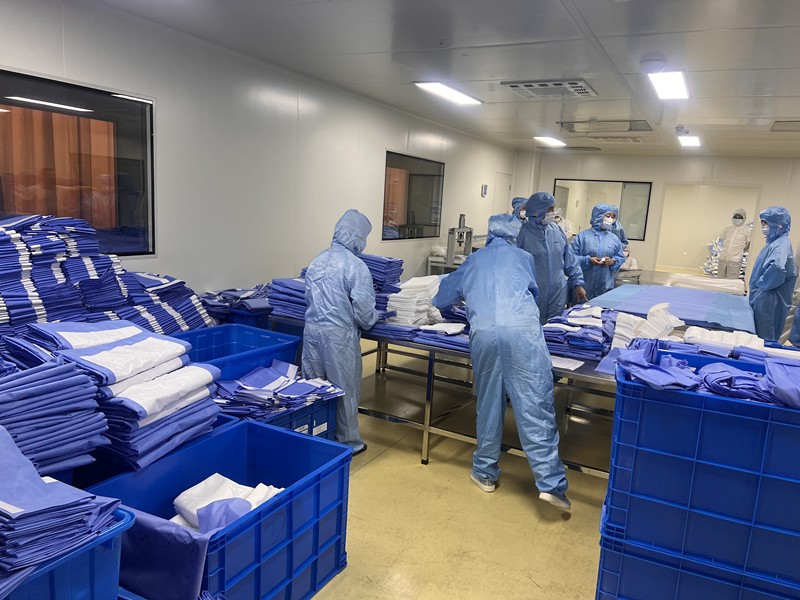
Integrating scientific innovation with streamlined medical supply chain solutions.
Integrating cutting-edge research and development with practical clinical applications, backed by an extensive portfolio of design patents and material improvements.
Flexible customization of sterilization packaging, dimensions, base substrates (PU, non-woven, PE), and adhesive patterns to suit specific regional market preferences.
Tested and relied upon in over 50,000 complex procedures worldwide, meeting rigorous requirements for surgical safety and cross-contamination prevention.
Insights into dynamic skin fixation technologies, bio-compatible polymers, and smart monitoring systems.
Modern polyurethane (PU) dressings must maintain a high Moisture Vapor Transmission Rate (MVTR) to prevent maceration under the adhesive layer. By structuring the polymer layer to expand dynamically in the presence of exudate, next-generation bandages allow sweat and gas to escape while maintaining an impermeable barrier to external bacteria and viral pathogens.
Traditional acrylic adhesives provide strong initial adhesion but can cause significant skin stripping, especially in elderly or neonatal patients. The industry is moving toward soft silicone adhesives, which conform closely to the microscopic contours of the skin, distributing shear stress evenly and allowing clean repositioning without compromising the delicate epidermal layer.
The integration of colorimetric and biosensor indicators within the sterile dressing matrix represents the next frontier. Changes in pH or the detection of specific bacterial enzymes initiate visual shifts in the bandage, allowing healthcare providers to identify localized infections early without disrupting the healing microenvironment.
With healthcare systems committing to carbon-reduction initiatives, sourcing departments are prioritizing eco-friendly disposables. Manufacturers are developing biodegradable PLA (polylactic acid) and natural fiber backings, ensuring clinical performance matches traditional plastics while minimizing long-term medical waste impact.
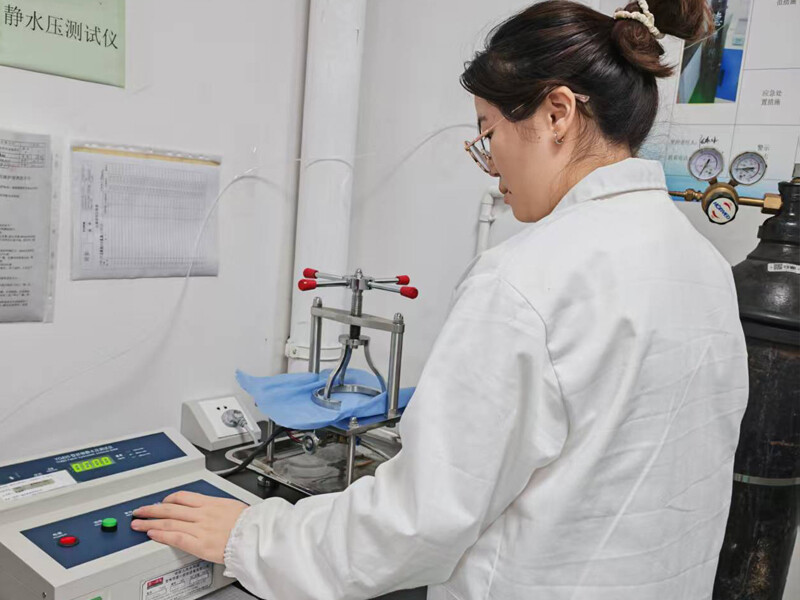
Guangzhou NW Medical guarantees robust operational support throughout the procurement process, ensuring quality consistency, supply chain reliability, and regulatory compliance.
Addressing the critical technical, quality, and regulatory questions raised by healthcare procurement agencies.
MVTR defines how much gaseous moisture and sweat can pass through the adhesive dressing within 24 hours. A low MVTR traps perspiration, causing skin maceration and fostering bacterial colonization, which increases SSI risk. A high MVTR maintains a clean, humid healing micro-climate, ensuring the adhesive remains stable on the skin without lifting.
Export manufacturers verify biocompatibility through standard ISO 10993 testing, which includes cytotoxicity, sensitization, and intracutaneous irritation assays. Premium exporters avoid natural rubber latex, utilizing synthetic acrylics or soft silicones to prevent patient allergic reactions.
Surgical adhesive dressings are typically sterilized using Ethylene Oxide (EO) gas or Gamma Irradiation. Exporters must validate these cycles to guarantee a Sterility Assurance Level (SAL) of 10^-6, confirming that residual EO gas levels remain below strict regulatory limits to prevent skin irritation.
For humid climates, manufacturers adjust the polymer cross-linking density of acrylic adhesives to prevent adhesive transfer or melting. They may also apply patterned adhesive coatings (such as dot or wave patterns) to enhance breathability and ensure strong, reliable skin contact.
Surgical adhesive dressings are classified as Class I or Class IIa/IIb medical devices. Certification under the EU MDR and US FDA 510(k) indicates that a third-party notified body has verified the product's safety, clinical performance, and manufacturing consistency, making it compliant for sale in major global markets.
Premium medical apparel and protective solutions manufactured under stringent cleanroom environments.
 NW Medical