Product Description
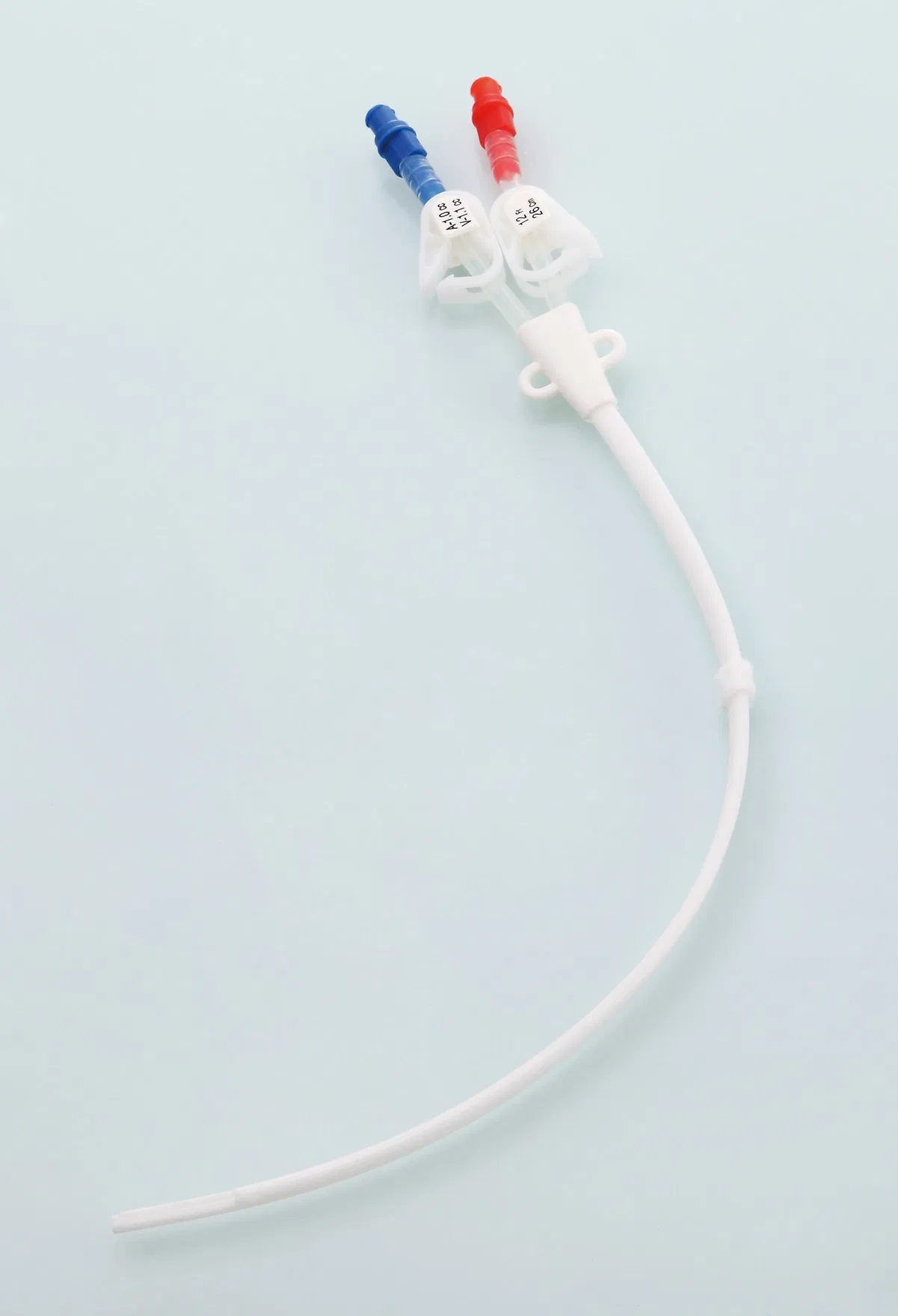
Long-term hemodialysis catheters are medical devices used for patients who require long-term or permanent access to their bloodstream for hemodialysis treatments. They are typically inserted into a large vein, such as the jugular vein or the femoral vein, and have two lumens or channels to allow for the removal and return of blood during the dialysis process.
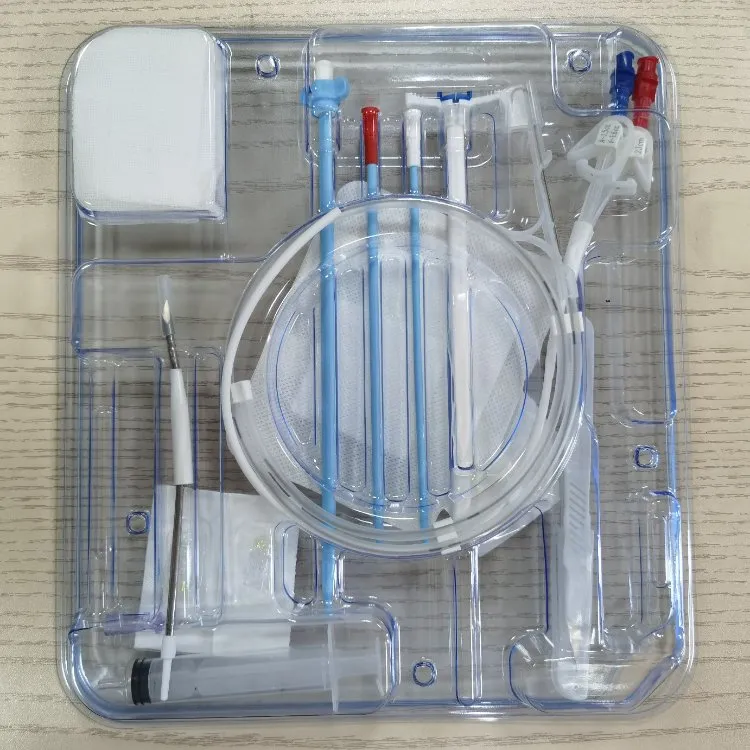
Unlike temporary catheters, which are used for a few weeks to months, long-term catheters are designed to remain in place for a longer period of time, ranging from several months to years. They are made of materials such as silicone, polyurethane, or polyethylene, which are biocompatible and able to withstand the frequent use and cleaning required for hemodialysis.
Long-term hemodialysis catheters are preferred in patients who do not have suitable veins for creating an arteriovenous fistula or graft. While they carry a higher risk of infection compared to fistulas, they are a life-saving treatment for those with kidney failure.
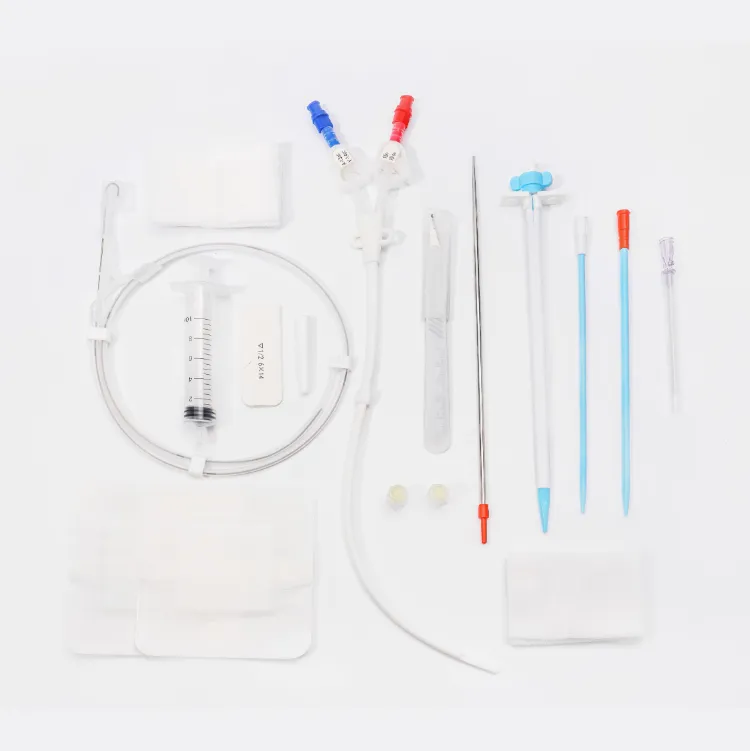
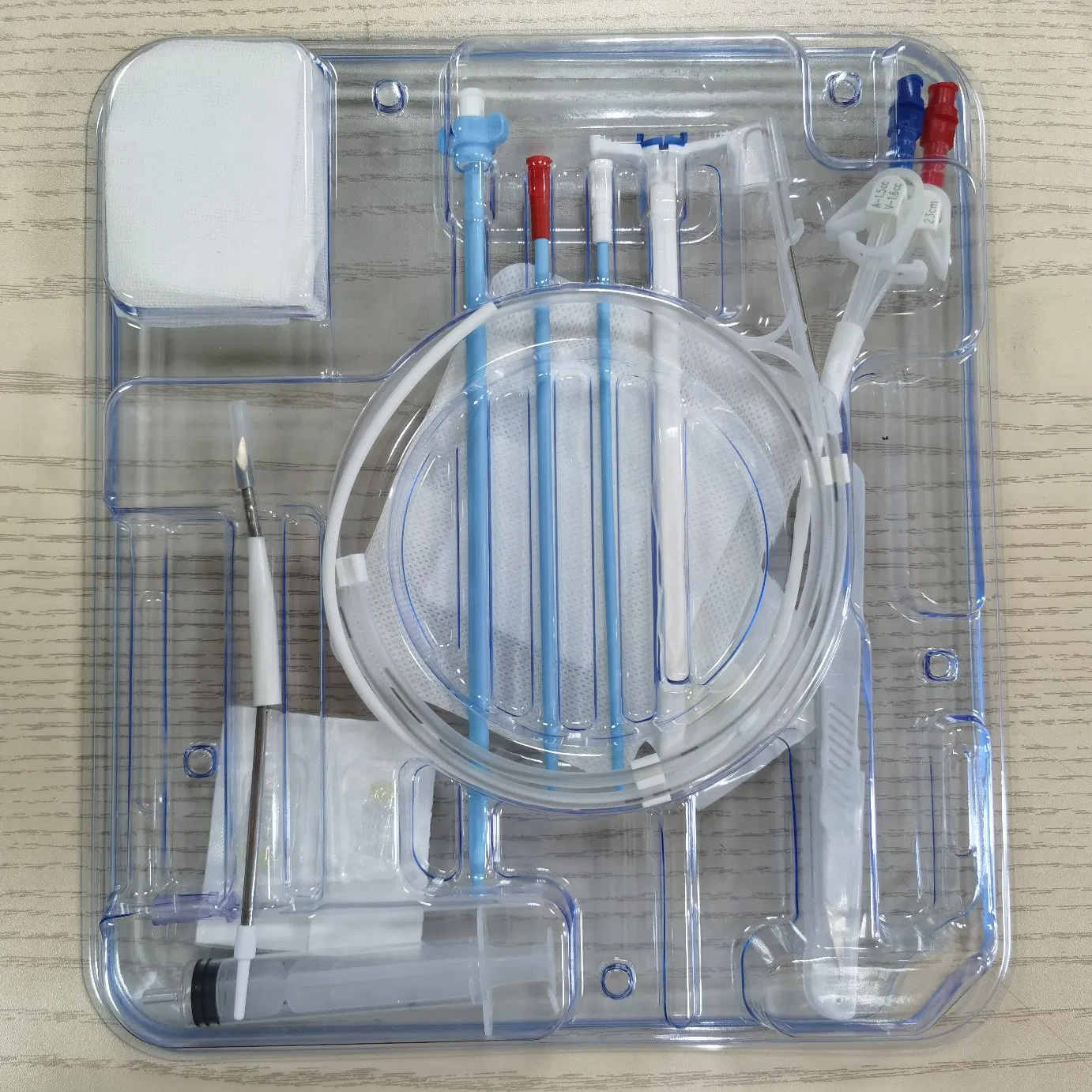
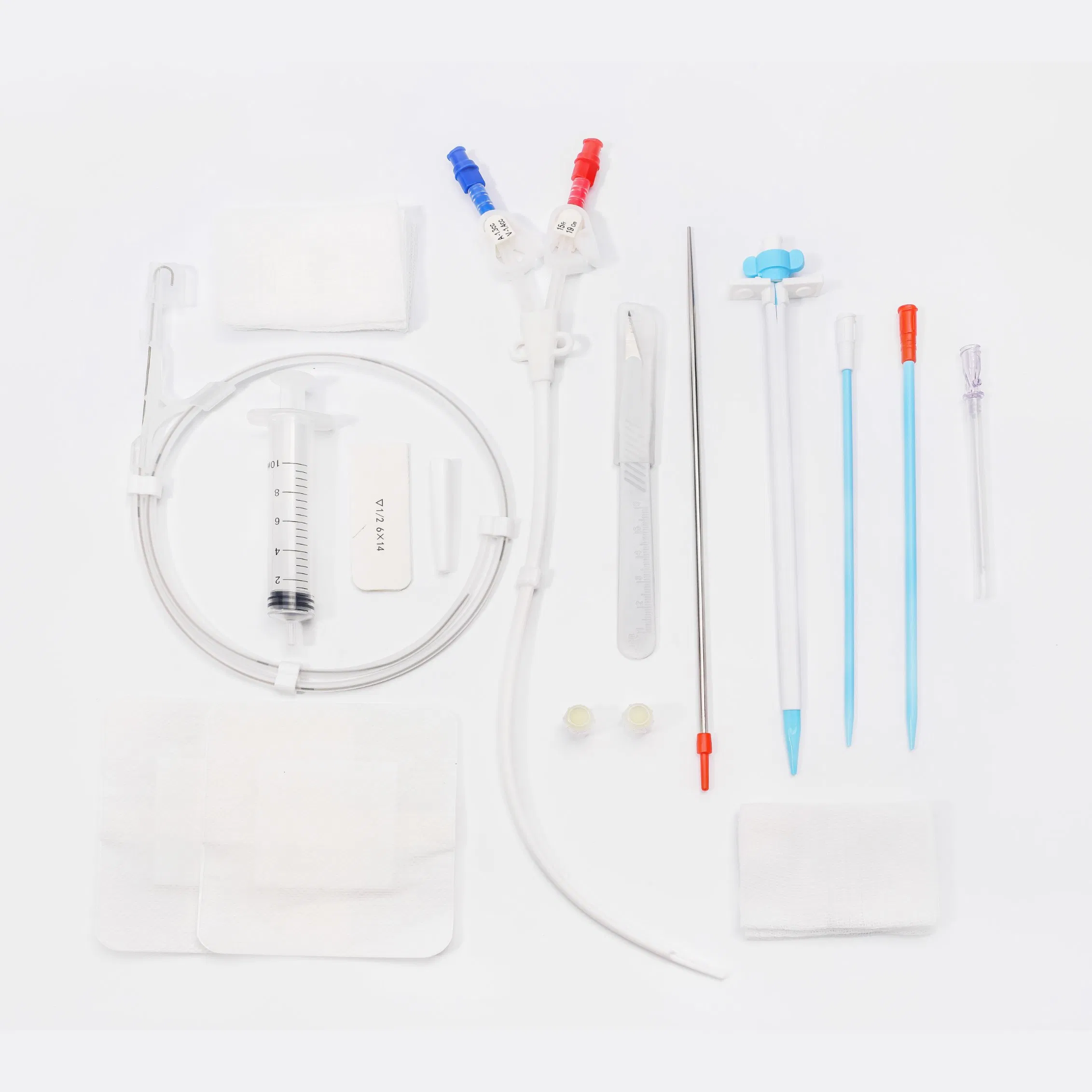
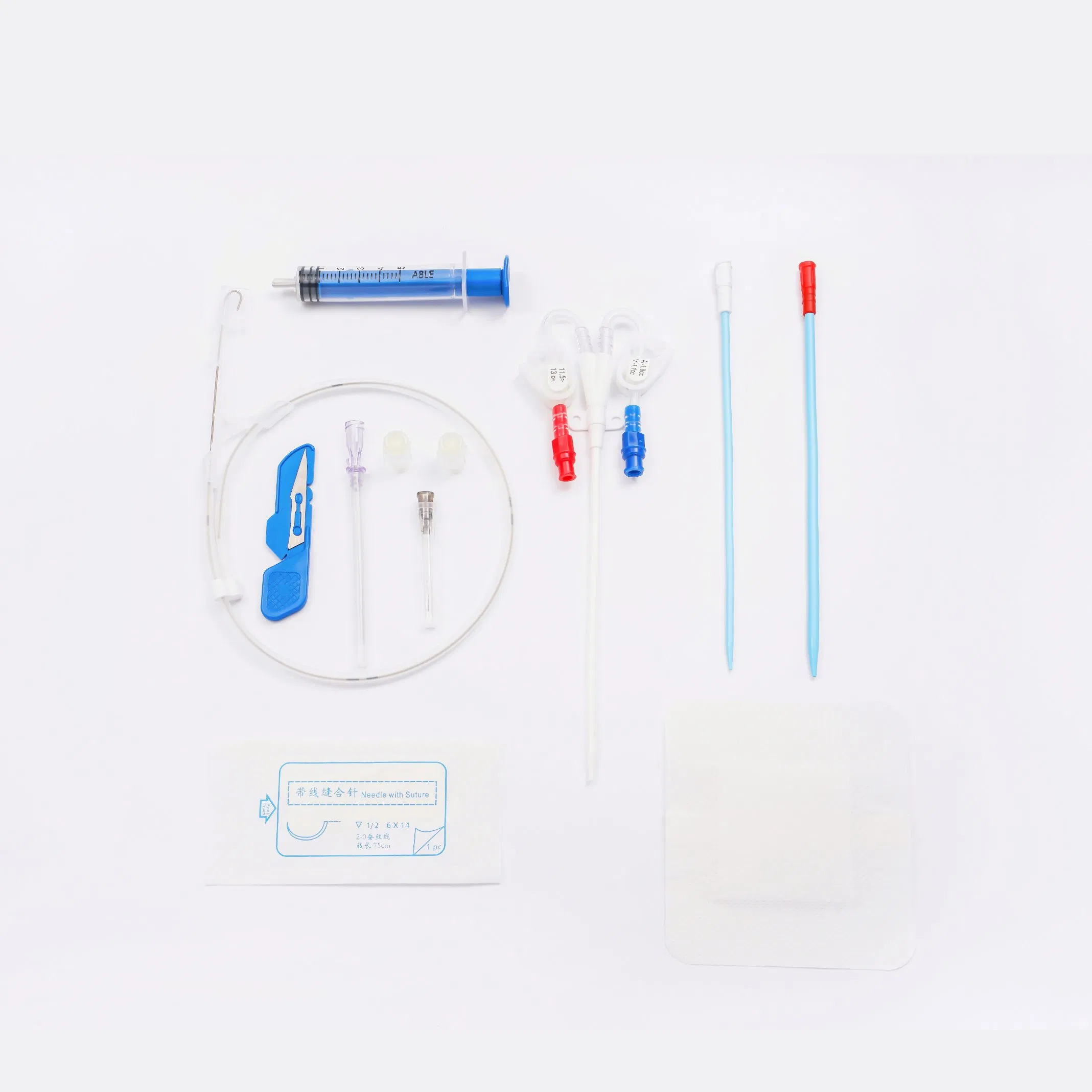
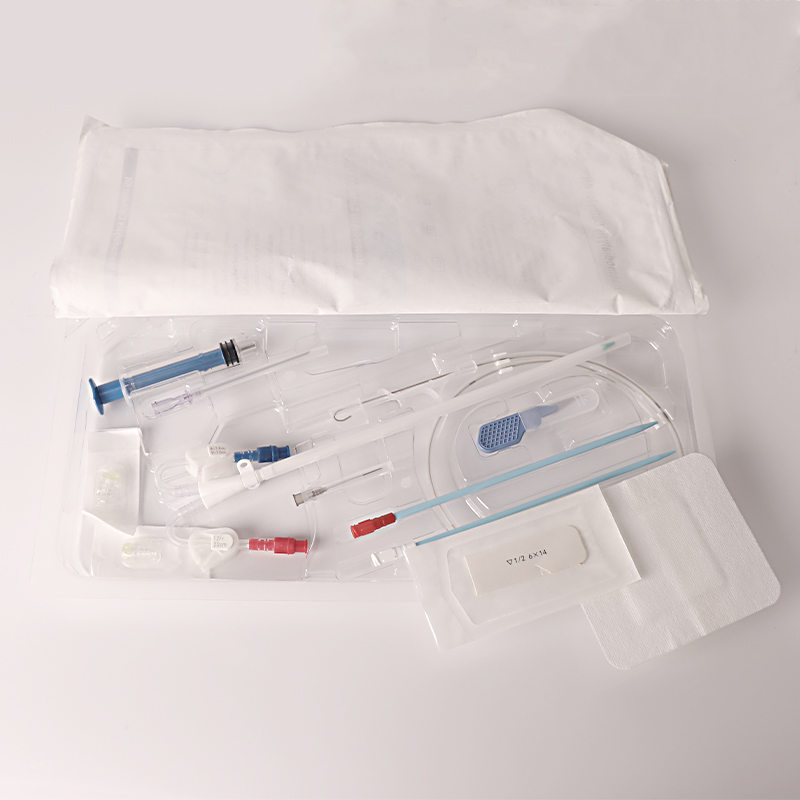
Kit Configuration (15 Fr 19 cm Straight)
| Code |
Items |
Specification |
Qty. |
| 1 | Hemodiaysis Access Catheter with Clamp double | Double Lumen 15F (14.5F) Length:19cm | 1 |
| 2 | Nitinol Guidewire with advancer | 0.035"*70cm | 1 |
| 3 | Dilator Sheath | - | 1 |
| 4 | Tunnel Needle | - | 1 |
| 5 | Venssel Dilator | 10F/16F*15cm | 2 |
| 6 | Introducer Syringe | 10ml | 1 |
| 7 | Introducer Needle | 18G*65mm Y Needle | 1 |
| 8 | Scalpel 11# | 11# | 1 |
| 9 | Injection Adaptor | Heparin cap for HC | 1 |
| 10 | Transparent Dressings | 9*10cm | 2 |
| 11 | Needle with Suture | Curved,▽1/2 6×14 | 2 |
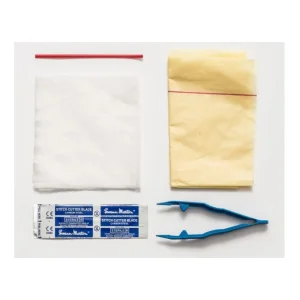
| 12 | Gauze Sponges | 5*7cm | 6 |
| 13 | Surgery sheet | - | 1 |
Packing Detail: 10Kits/Box; 4Boxes/Small Carton; 2Small Cartons/Outer Carton (G.W: 28kg)
Key Features
Double Lumen Design: Allows simultaneous removal and return of blood for efficient dialysis.
Biocompatible Materials: Made of silicone or polyurethane to withstand frequent use and minimize adverse reactions.
Designed for Long-term Use: Suitable for several months up to years of permanent access.
Regular Maintenance: Optimized for standard cleaning, flushing, and dressing protocols.
Life-Saving Access: Vital for patients unsuitable for AV fistulas or grafts.
Frequently Asked Questions
What materials are used in these catheters?
The catheters are made from high-quality biocompatible materials such as silicone, polyurethane, or polyethylene, ensuring durability and safety for long-term use.
How long can a long-term dialysis catheter remain in place?
These catheters are specifically designed for extended use, typically ranging from several months to several years, depending on patient needs and maintenance.
Why is the double-lumen design important?
The double-lumen configuration features two separate channels, allowing blood to be withdrawn for cleaning and returned to the body simultaneously, which maximizes dialysis efficiency.
Are these catheter kits sterile?
Yes, all kits are sterilized using Ethylene Oxide (EO) and are nonpyrogenic in their original, unopened, and undamaged packaging.
Can the catheter be reused or re-sterilized?
No, these are single-use medical devices. Reusing or re-sterilizing the catheter can lead to severe infection, device failure, or patient injury.
What should be avoided during cleaning?
Exposure to alcohol and acetone should be handled with care as they might degrade the material or affect the function of the catheter.
 NW Medical