In modern healthcare facilities, the management of medical biohazards stands as a foundation of infection prevention, biosafety, and compliance. Among the most hazardous elements are surgical sharps—including needles, scalpel blades, lancets, and contaminated glass fragments. Exposure to bloodborne pathogens (such as HBV, HCV, and HIV) through accidental needlestick injuries (NSIs) remains a major occupational risk for healthcare personnel globally.
As a premier global medical device manufacturer, Guangzhou NW Medical Co., Ltd. designs engineering controls that mitigate these risks. Choosing the right surgical sharps containers involves analyzing safety mechanisms, puncture resistance parameters, and structural integrity. Modern container engineering must meet two distinct objectives: ensuring easy, touchless disposal of clinical waste while preventing accidental access, spillage, or puncture during transport.
Strict adherence to OSHA Bloodborne Pathogens Standard (29 CFR 1910.1030) and NIOSH criteria. Containers are drop-resistant, leakproof on sides and bottom, and labeled with high-visibility biohazard warnings.
Certified compliance with ISO 23907-1:2019 specifying requirements for puncture resistance, resistance to leakage, and resistance to damage from dropping during disposal.
Engineered from premium high-density virgin polypropylene (PP), preventing punctures from standard needles, heavy hypodermics, and orthopedic pins.
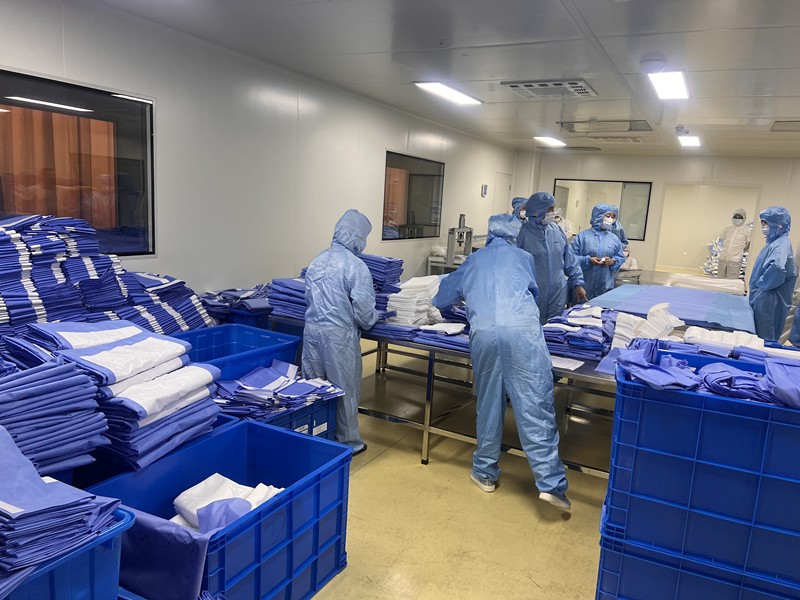
Operating from Guangzhou, the logistics and medical industrial center of Southern China, Guangzhou NW Medical Co., Ltd. offers a strong supply chain network. We optimize manufacturing efficiency while meeting strict regulatory standards.
By integrating advanced automated injection molding systems, precision toolmaking, and in-house sterilization facilities (EO and Gamma processing), we reduce delivery lead times and lower manufacturing overhead. This ensures that large-scale distributors, hospital networks, and clinical providers receive consistent product runs that meet international regulatory and performance standards.
Health system procurement executives and B2B medical distributors face distinct challenges when sourcing containment products. A standard purchase order must satisfy the demands of clinical end-users, environmental safety directors, and logistics departments. Below is an overview of specialized clinical environments and how container designs meet their functional needs:
Requires high-capacity containers (10L to 30L) with wide horizontal drops for complex items, including trocar ports, spinal needles, and disposable scalpels.
Requires compact, portable containers (1L to 3L) with counterbalanced, needle-detaching slots that enable hands-free disposal and prevent overfilling.
Containers must be highly resistant to chemical reagents and capable of holding large volumes of contaminated slides, cover slips, and pipettes.
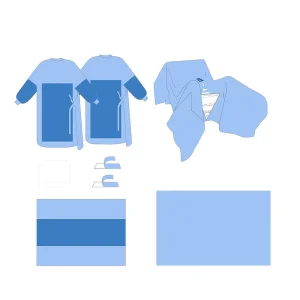
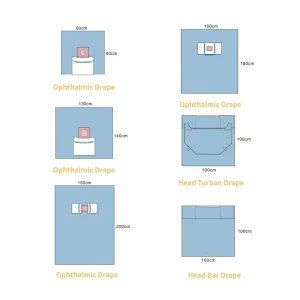
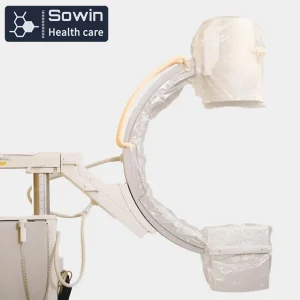
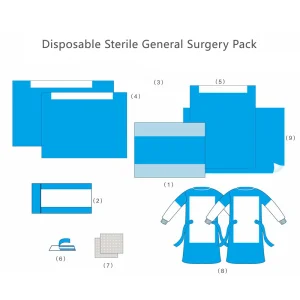
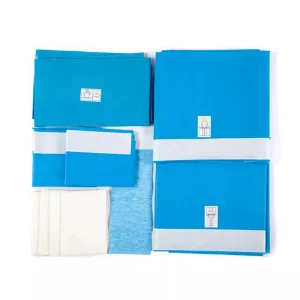
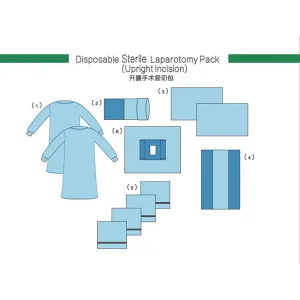
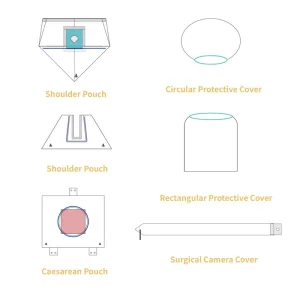
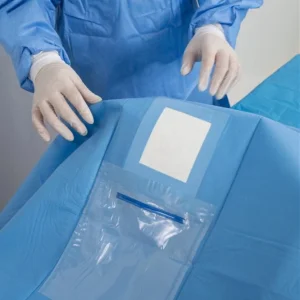
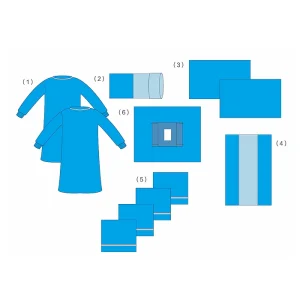
Our international sourcing models are designed to minimize risks. We offer customized packaging options, mixed-product container load shipping (e.g., combining sharps containers with sterile surgical drapes, mayo stand covers, and angiography gowns), and clear import documentation. With CE, FDA, and ISO certifications in place, our shipments undergo efficient customs clearance, ensuring predictable delivery times for your supply chain.
Quality validation at Guangzhou NW Medical Co., Ltd. involves structured engineering checks. Every production run undergoes rigorous tests to ensure it meets global safety standards, including:
Guangzhou NW Medical Co., Ltd. is a globally recognized leader in the design, manufacturing, and distribution of high-quality single-use sterile medical devices. We specialize in advanced solutions for infection control and surgical safety, with a commitment to enhancing the standard of patient care worldwide.
Our company provides comprehensive OEM & ODM services for healthcare systems, clinical networks, distributors, and brand owners across the globe. With a focus on design engineering, quality, and clinical performance, we ensure that our products meet safety and efficacy standards in every market we serve.
Our medical devices have been used in over 50,000 successful clinical procedures worldwide, helping improve patient care across diverse medical fields. Over the past three years, our sales have grown by 200%, driven by surgeon trust and the clinical benefits of our products in improving surgical outcomes and reducing recovery times.
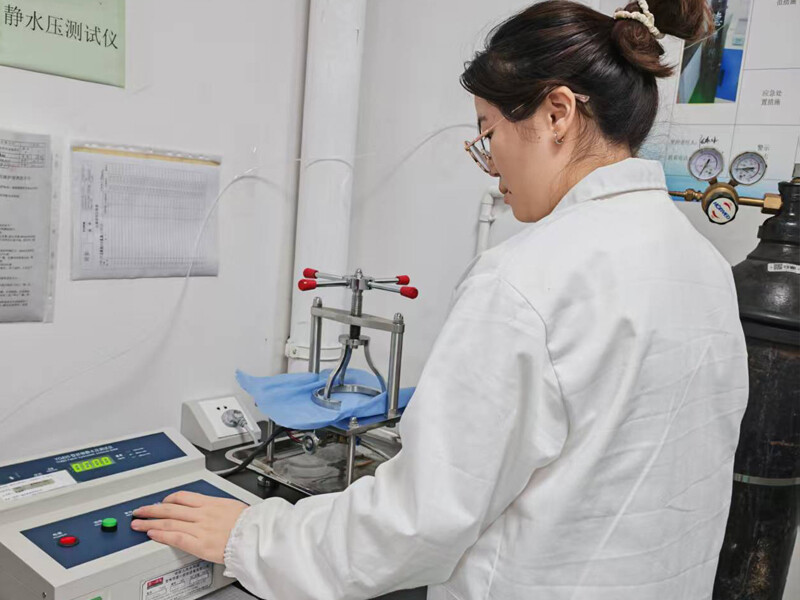
Backed by extensive clinical data, our products are used by healthcare professionals globally. Our clinical designs focus on safety, reliability, and ease of use in high-pressure medical environments.
We integrate cutting-edge R&D with practical clinical applications. Our product line features patented designs that improve hospital workflow efficiency and reduce infection risks.
Our manufacturing facilities and product designs are certified to international regulatory standards, including FDA clearances, CE marks, and ISO compliance certifications.
We partner with our clients at every stage of the product lifecycle—from initial technical consultation and custom design engineering to global regulatory compliance and ongoing supply chain support.
Our engineering team provides technical consultations to assess your clinical needs, providing detailed material specs, structural drawings, and samples to match your system configurations.
We provide flexible OEM & ODM solutions, custom color-coding, multilingual warning text, and packaging options designed to integrate directly into your distribution channels.
Our post-sale services include user safety training, supply chain replenishment scheduling, and regulatory documentation updates to ensure long-term operational success.
The global healthcare sector is adopting more sustainable practices. Innovation in medical waste management is driven by two main goals: improving personnel safety and reducing environmental impact.
Developing clinical containers from recycled ocean plastics and biodegradable bio-polymers. The goal is to design materials that burn cleanly during incineration, minimizing carbon emissions and eliminating toxic byproduct release.
Utilizing sensor-activated, automatic lids and mechanical foot pedals to eliminate hand contact with container apertures, reducing cross-contamination risks in critical isolation units.
 NW Medical