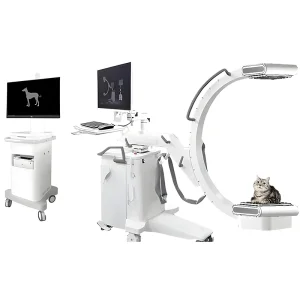
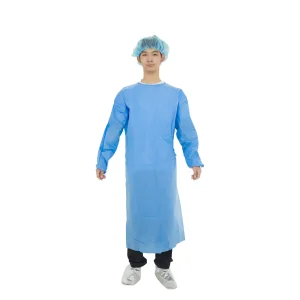
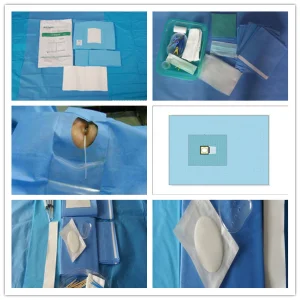
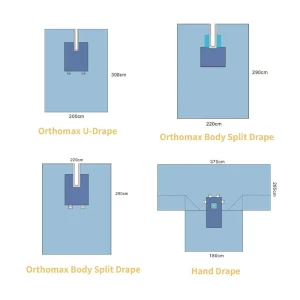
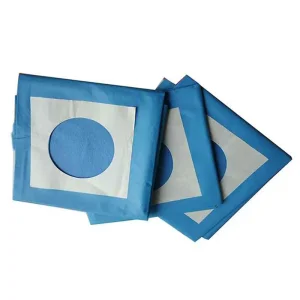
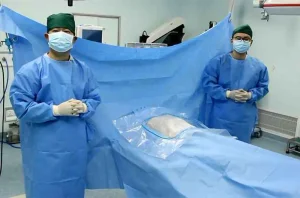
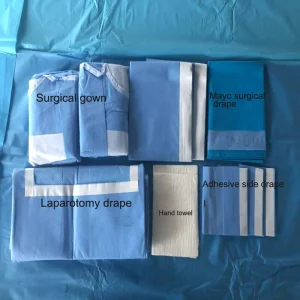
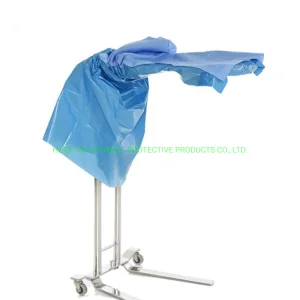
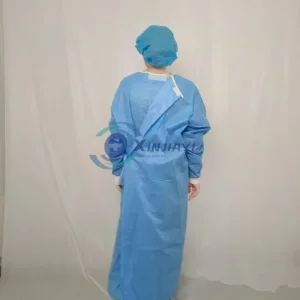
Explore our foundational range of diagnostic devices, sterile drapes, and clinical surgical equipment configured for modern high-acuity environments.
The global patient monitors market has fundamentally shifted from reactive, intermittent sampling models to continuous, high-fidelity algorithmic tracking ecosystems. Driven by aging demographic curves, an escalating prevalence of multi-morbid cardiovascular and respiratory syndromes, and stringent post-operative vigilance parameters, multi-parameter patient monitors are no longer stand-alone clinical appliances. Instead, they constitute the sensory edge nodes of the modern digital hospital infrastructure.
Regulatory frameworks across the European Union (MDR 2017/745) and the United States (FDA 510k pathways) have heightened the entry benchmarks for biosensing equipment. Manufacturers are now required to guarantee not only baseline electromagnetic compatibility (EMC) and electrical isolation standards but also robust protection against cyber threats at the hospital intranet terminal level. As clinical networks consolidate, hospitals face an acute demand for devices that resolve data silo fragmentation, converting analog microvolt biological signals directly into standardized HL7 and FHIR telemetry protocols for immediate Electronic Health Record (EHR) population.
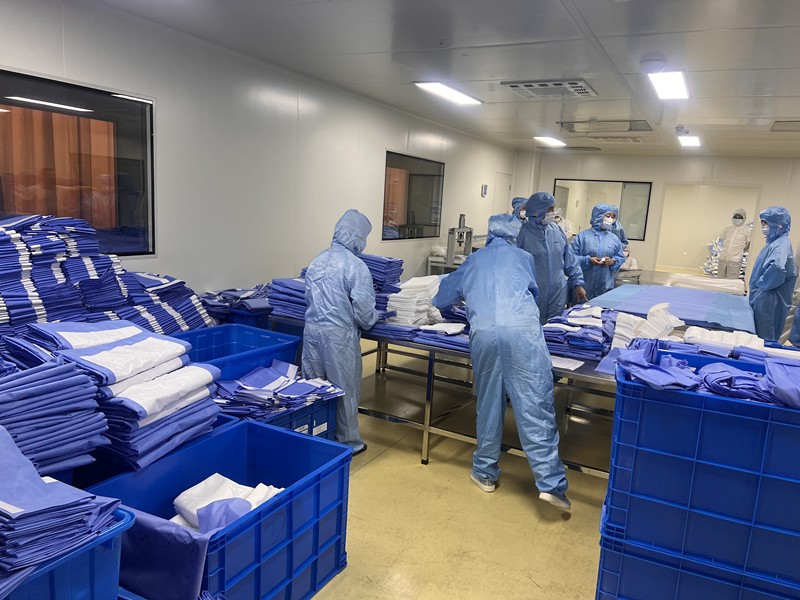
Unpacking the supply chain mechanics that allow for aggressive scale optimization without compromising medical grade precision.
By leveraging surface-mount technology (SMT) cleanrooms, optical inspection matrices reject multi-layer PCB micro-defects prior to processor masking, maintaining exceptional yield stability.
Operating out of premium industrial zones brings specialized component casting, high-impact medical polymer injection molders, and pristine sensor alloy mills within immediate physical proximity.
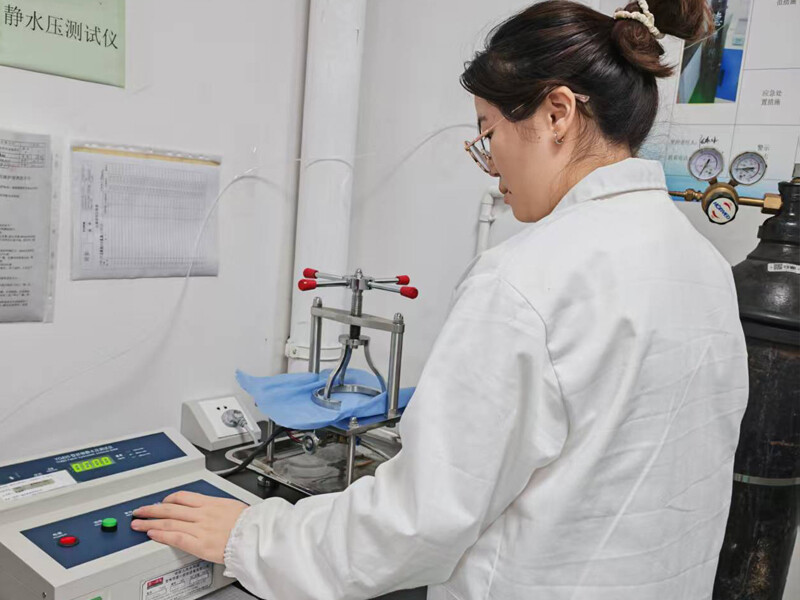
Every non-invasive blood pressure (NIBP) module, pulse oximetry system, and core thermometry array undergoes exhaustive environmental chamber cycling to simulate cross-continental extreme operations.
Patient monitor engineering must reflect the chaotic realities of real-world clinical deployment. A device configured for the sterile, hyper-controlled workflows of a cardiothoracic operating suite will fail if dropped into the high-vibration, variable-light environments of emergency helicopter transport. Effective biomedical design matches discrete processing algorithms to specific physical settings.
In high-acuity critical care, patient monitors act as central diagnostic assets. They process real-time 12-lead ECG configurations, track automated ST-segment drift, and measure invasive arterial pressures (IABP) through specialized strain-gauge transducers. Built-in respiratory mechanics calculation indices allow clinicians to assess lung compliance without disconnecting mechanical ventilation loops.
Anesthesia gas monitoring integration requires multi-wavelength infrared benches capable of analyzing end-tidal CO2 (EtCO2), nitrous oxide, and halogenated agents within single-breath response cycles. Electromagnetic shield coatings prevent interference from electrosurgical units (ESU) and high-frequency plasma scalpels during sensitive micro-voltage sensing.
Anticipating the technological paradigms governing the next decade of patient data collection and medical intervention.
Advanced monitors employ neural network models locally to aggregate raw respiratory rates, pulse variations, and blood pressure slopes. This allows for the generation of early warning scores (EWS) that alert teams to potential clinical decline hours before traditional threshold alarms sound.
To reduce hospital network latency, modern architectures perform heavy cryptographic filtering on-device. This optimizes bandwidth allocation, ensuring crisp waveform visualization even over wide-area wireless medical telemetry bands (WMTS).
The industry is moving rapidly toward lightweight, sub-acute wearable arrays. These devices integrate multi-wavelength optical sensors onto flexible substrates, maintaining clinical-grade SpO2 validation while patients move freely.
For hospital directors, medical asset procurement is a balancing act between initial capital layout and long-term operating costs. The real expense of monitoring technology often comes from proprietary accessory lock-ins, frequent cable replacements, and specialized maintenance requirements.
Our open-architecture design principles change this dynamic. By utilizing universal sensor connections and durable, high-flex polyurethane shielding, we reduce standard clinical degradation by up to 40%. Central monitoring software updates are delivered without mandatory annual subscription fees, enabling medical networks to maximize their asset life cycles. This programmatic approach ensures supply resilience, fast delivery timelines, and direct compliance with international hospital capital budgeting targets.
A trusted, universally certified engineering standard tailored to specialized OEM/ODM demands across international clinical spaces.
Guangzhou NW Medical Co., Ltd. is a globally recognized leader in the design, manufacturing, and distribution of high-quality single-use sterile medical devices. We specialize in advanced solutions for infection control and surgical safety, with an unwavering commitment to enhancing the standard of patient care worldwide. Our company is dedicated to providing comprehensive OEM & ODM services for healthcare providers, distributors, and brand owners across the globe. With a focus on innovation, quality, and customer satisfaction, we ensure that our products meet the highest standards of safety and efficacy.
At Guangzhou NW Medical, we excel in integrating cutting-edge research and development with practical clinical applications. Our deep domain expertise, combined with a strong portfolio of patents, allows us to continuously push the boundaries of medical technology. Our products are designed with a user-centric approach, ensuring that they are not only reliable and easy to use but also contribute to better patient outcomes. Backed by extensive clinical data, our products are trusted by healthcare professionals around the world. We are proud to hold global compliance certifications, including FDA, CE, and other internationally recognized standards. Our dedicated support team is available to ensure that our customers receive exceptional service and guidance at every stage of their journey with us.
We leverage highly automated cleanroom lines to formulate and scale a diverse series of vital interventions:
Our organizational framework guarantees consistent technical support through three dedicated tiers:
Pre-Sales Services: Our engineering and clinical consultation groups deliver deep application analyses, clarifying equipment specifications, network integration capacities, and regulatory documentation prior to procurement initiation.
In-Sales Services: We assign specialized project coordinators to manage supply chains, oversee manufacturing schedules, track sterilization validations, and ensure smooth operational integration into client facilities.
After-Sales Services: Our long-term partnership framework features rapid-response technical troubleshooting, comprehensive biomedical training programs, and structured feedback loops that drive continuous product optimization.
Direct technical answers addressing the core engineering, performance, and procurement inquiries of healthcare technology professionals.
Review our supplementary sterile protective solutions engineered to maintain field integrity alongside vital electronic monitoring configurations.
 NW Medical