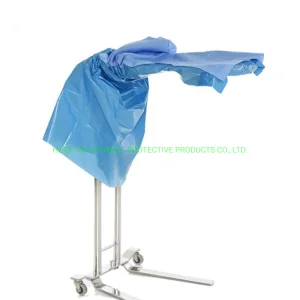
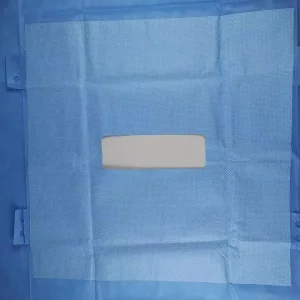
Explore our clinically validated medical devices and surgical sterile solutions designed to elevate procedural safety and patient safety standards globally.
Infusion pumps represent the critical backbone of modern clinical therapy, serving as indispensable automated delivery systems for fluids, medications, parenteral nutrition, and blood products. Operating across high-acuity environments such as Intensive Care Units (ICUs), Operating Rooms (ORs), Oncology Wards, and outpatient ambulatory settings, the precision and reliability of these medical devices directly correlate with patient survival rates and therapeutic efficacy.
The global infusion pump market, valued at approximately USD 10.5 billion in 2024, is projected to expand at a Compound Annual Growth Rate (CAGR) of 7.2% through 2032. This growth trajectory is fueled by several macro-environmental drivers:
Surging prevalence of chronic conditions including cardiovascular diseases, diabetes, and oncological disorders requiring long-term continuous subcutaneous or intravenous infusion therapy.
Rapid adoption of smart infusion pumps integrated with Dose Error Reduction Systems (DERS), Electronic Health Records (EHR), and bi-directional wireless IoT connectivity.
Escalating hospital operational costs driving the transition toward decentralized healthcare delivery via compact, patient-wearable ambulatory infusion systems.
Procurement directors and biomedical engineering teams must evaluate infusion pump suppliers beyond basic price-per-unit metrics. Medical-grade fluid delivery requires flawless execution across electronic, mechanical, software, and disposable-compatibility vectors.
Volumetric accuracy must consistently perform within ±2% for syringe pumps and ±5% for peristaltic volumetric pumps. Micro-step motor drive systems are mandatory to eliminate pulsation at low delivery rates (e.g., 0.1 mL/h in neonatal care).
Inclusion of ultrasonic air-in-line detectors capable of identifying single bubbles as small as 20–50 microliters, paired with dual pressure occlusion sensors (upstream and downstream) supporting multi-level pressure threshold configuration.
Integration of customizable drug libraries with hard and soft dosing limits. Cybersecurity frameworks compliant with UL 2900-2-1 and IEC 60601-1-2 EMC testing standards for wireless patient data protection.
| Evaluation Parameter | Standard Requirement | High-End Clinical Requirement | Impact on Clinical Outcome |
|---|---|---|---|
| Volumetric Accuracy | ±5% Volumetric / ±3% Syringe | ±2% Volumetric / ±1% Syringe | Prevents under/overdosing of critical vasopressors. |
| Occlusion Detection Time | < 30 seconds at 10 mL/h | < 10 seconds with anti-bolus auto-release | Mitigates post-occlusion accidental bolus administration. |
| Air Bubble Sensitivity | ≥ 100 μL single bubble | ≥ 25 μL cumulative air detection | Prevents fatal air embolism in pediatric/cardiac cases. |
| Ingress Protection Rating | IPX2 (Drip-proof) | IPX4 / IP44 (Splash-proof all angles) | Ensures durability during liquid spillages & heavy disinfection. |
Based on global manufacturing capacity, technological innovation, regulatory compliance portfolio (FDA 510k, CE MDR, ISO 13485), and clinical market footprint, the following 10 enterprises represent the premiere tier of infusion pump manufacturing and supply:
Headquarters: United States | Core Strength: Enterprise Connected Infusion Ecosystems
BD (including the Alaris system) remains a dominant global force. Known for robust enterprise software integration, large-scale hospital wireless interoperability, and extensive safety guardrail drug libraries.
Headquarters: Germany | Core Strength: High-Precision Engineering & Space Systems
B. Braun’s Space modular infusion system is renowned worldwide for lightweight design, high accuracy peristaltic driving mechanisms, and exceptional usability across anesthesia and intensive care units.
Headquarters: Germany | Core Strength: Clinical Nutrition & Injectable Drug Delivery
A market titan integrating liquid pharmaceuticals with delivery technology. Their Agilia range offers specialized infusion setups tailored for critical oncology and parenteral nutrition regimes.
Headquarters: United States | Core Strength: Renal Care & Smart Volumetric Platforms
Baxter provides reliable volumetric pumps (Spectrum IQ series) emphasizing EHR integration, human-factor UI design, and automated drug library synchronization across medical networks.
Headquarters: China | Core Strength: Integrated Patient Monitoring & Infusion Stations
Mindray leads Asian medical electronics manufacturing. Their BeneFusion series provides seamless integration between bedside patient monitors and multi-channel infusion workstation docks.
Headquarters: United States | Core Strength: Specialized Syringe & Pain Management (CPA)
Following the acquisition of Smiths Medical, ICU Medical commands significant market share in Medfusion syringe pumps and ambulatory pain management pump lines.
Headquarters: China | Core Strength: High-Efficiency OEM/ODM & Single-Use Sterile Sets
An agile powerhouse offering end-to-end device design, cleanroom production, and precision disposable infusion tube sets. Trusted for scalable international OEM customization and rapid turnaround.
Headquarters: Japan | Core Strength: Ultra-Fine Micro-Infusion & Interventional Tech
Terumo excels in micro-delivery accuracy, robust hardware longevity, and ultra-reliable syringe pump systems utilized extensively throughout Asia-Pacific and European clinical operations.
Headquarters: United States | Core Strength: Ambulatory & Enteral Infusion Solutions
Moog is recognized globally for its Curling and Infinity product lines, dominating specialized home care, enteral nutrition, and wearable continuous delivery systems.
Headquarters: China | Core Strength: Target Controlled Infusion (TCI) & Anesthesia
Innovator in specialized anesthesia target-controlled infusion systems, featuring advanced pharmacokinetic/pharmacodynamic (PK/PD) algorithms for precise propofol administration.
The global medical technology supply chain has undergone structural reconfiguration. China’s emergence as a premier manufacturing hub for infusion pumps and medical disposables is backed by systemic industrial advantages:
Concentrated supply chains in Guangdong and Jiangsu provinces provide immediate access to medical-grade polymer molders, precision stepper motor suppliers, optical sensor factories, and SMT PCB assembly lines within a 50 km radius.
Automated Class 100,000 cleanroom production facilities drastically reduce unit production costs without compromising international ISO 13485 and CE MDR compliance, yielding a 30% to 50% TCO reduction for procurement buyers.
Agile engineering teams allow international brand owners to transition from CAD concepts to functional prototypes and clinical trials in less than 90 days—half the industry standard timeline in traditional markets.
Guangzhou NW Medical Co., Ltd. is a globally recognized leader in the design, manufacturing, and distribution of high-quality single-use sterile medical devices and procedural solutions. We specialize in advanced solutions for infection control and surgical safety, with an unwavering commitment to enhancing the standard of patient care worldwide.
Our company is dedicated to providing comprehensive OEM & ODM services for healthcare providers, distributors, and brand owners across the globe. With a focus on innovation, quality, and customer satisfaction, we ensure that our products meet the highest standards of safety and efficacy.
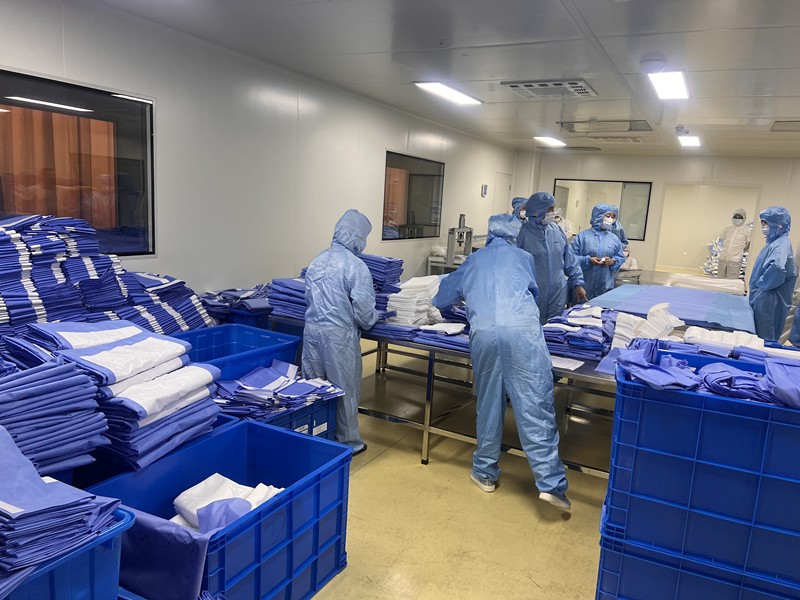
At Guangzhou NW Medical, we excel in integrating cutting-edge research and development with practical clinical applications. Our deep domain expertise, combined with a strong portfolio of patents, allows us to continuously push the boundaries of medical technology. Our products are designed with a user-centric approach, ensuring that they are not only reliable and easy to use but also contribute directly to better patient outcomes.
Backed by extensive clinical data, our products are trusted by healthcare professionals around the world. We are proud to hold global compliance certifications, including FDA, CE, and ISO 13485 standards. Our dedicated support team is available to ensure that our customers receive exceptional service and guidance at every stage of their journey with us.
We offer a wide range of single-use sterile medical devices engineered for high-risk surgical and diagnostic environments:
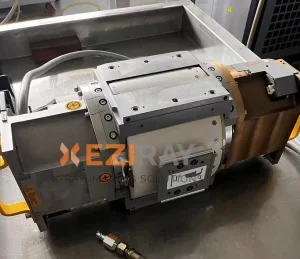
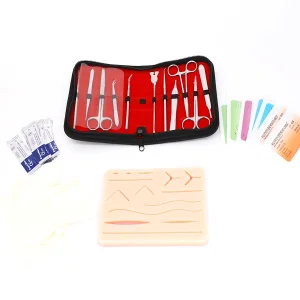
Precision tactical and clinical tools designed for tissue manipulation and surgical execution.
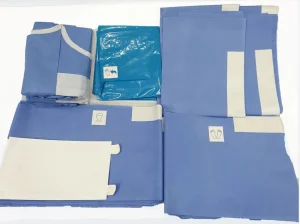
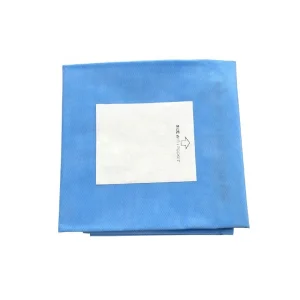
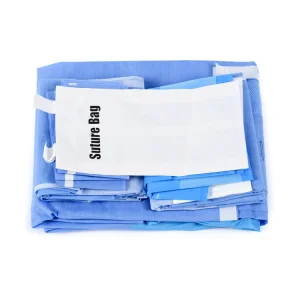
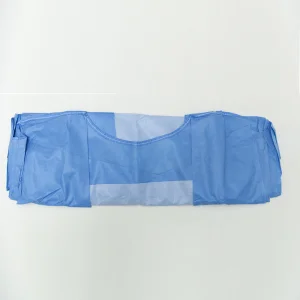
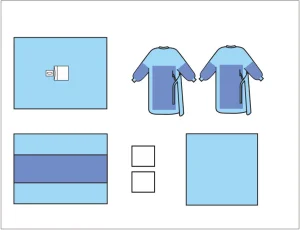
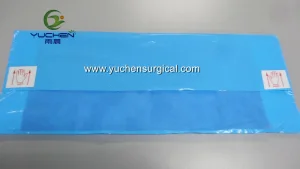
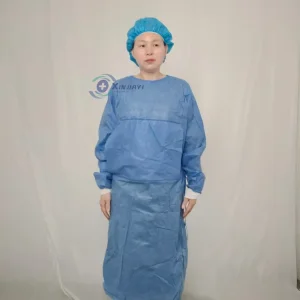
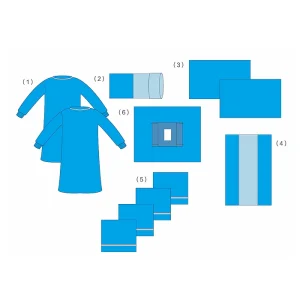
Advanced sterile surgical drapes, gowns, and barriers to prevent surgical site infections (SSIs).
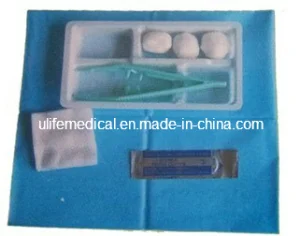
High-precision clinical consumables, tube sets, and procedure-specific diagnostic components.
Infusion pumps are specialized according to their operational micro-environment. Selecting the correct pump sub-type is paramount to optimizing clinical delivery workflows:
Demands multi-channel modular docking stations capable of driving high-risk vasoactive drugs, inotropes, and sedatives concurrently. Synchronized occlusion pressure monitoring prevents sudden bolus administration upon clearance.
Requires micro-syringe infusion pumps capable of delivering fluids at micro-rates down to 0.01 mL/h with extreme volumetric precision to prevent fluid overload and intracranial hemorrhage in low-birth-weight infants.
Utilizes dedicated ambulatory infusion pumps featuring light-protected tubing sets and customizable multi-step ramp up/ramp down programming for intravenous cytotoxic administration over extended durations.
Leverages Target Controlled Infusion (TCI) syringe drivers pre-programmed with Marsh or Minto pharmacokinetic models to maintain stable hypnotic plasma concentrations during total intravenous anesthesia (TIVA).
The infusion pump market is undergoing a technological revolution driven by micro-electronics, artificial intelligence, and hospital-wide connectivity standards:
Integration of predictive machine learning algorithms that analyze real-time patient vital parameters (heart rate, blood pressure) from bedside monitors to automatically adjust vasopressor titration rates within physician-approved guardrails.
Transitioning from manual pump programming to barcoded medication administration (BCMA) systems where orders sent from Electronic Health Record (EHR) systems auto-populate infusion pump parameters upon scanning patient wristbands.
Development of Micro-Electro-Mechanical Systems (MEMS) liquid pumps enabling disposable sub-dermal patch pumps for continuous biological drug delivery without bulky motor assemblies.
Guangzhou NW Medical Co., Ltd. provides end-to-end partner support designed to simplify international procurement and accelerate custom medical device deployment:
Our senior engineering team provides expert technical consultations, offering tailored product architecture solutions, custom material selection, and regulatory feasibility analyses to meet your regional market requirements.
We ensure smooth onboarding with easy product integration into your supply chain operations, supported by dynamic order tracking, transparent factory auditing access, and full technical documentation packages.
Our long-term commitment includes responsive technical support, clinical staff training materials, continuous product optimization, and a robust feedback loop ensuring product compliance evolves alongside international standards.
When executing bulk tenders or private-label contracts for infusion pumps and associated disposable tube sets, international buyers must establish a rigorous 5-stage verification protocol:
Validate that the factory holds valid ISO 13485 certificates issued by accredited notified bodies (e.g., TÜV, SGS) and verify CE MDR declaration of conformity or FDA 510(k) numbers.
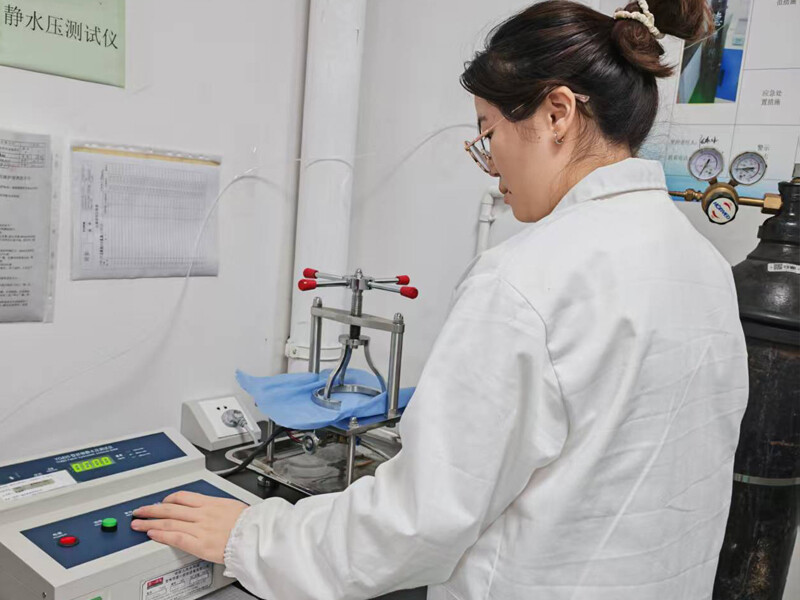
Demand third-party test reports validating flow rate stability charts (Trumpet curves according to IEC 60601-2-24) to verify dosing consistency across 24-hour periods.
Assess whether the pump features an open system compatible with standard universal IV tubing or requires proprietary dedicated disposable sets, which impacts total cost of ownership (TCO).
For disposable set manufacturing, verify class 100,000 (ISO Class 8) cleanroom automation, bioburden testing, and ethylene oxide (EO) residual aeration channels.
Detailed responses addressing critical engineering, clinical, and procurement inquiries.
Volumetric infusion pumps utilize linear or rotary peristaltic mechanisms to squeeze specialized IV tubing, ideal for continuous high-volume fluid resuscitation (100 mL/h up to 1200 mL/h). Syringe pumps utilize a precise lead-screw motor to push a standardized syringe plunger, engineered specifically for low-volume, ultra-precise drug administration (0.1 mL/h to 50 mL/h) of potent medications like vasoactive agents or anesthesia.
When an IV line becomes kinked or a vein collapses, pressure builds within the tubing. Dynamic occlusion monitoring senses this pressure spike in real-time. Modern smart pumps feature an anti-bolus system: upon detecting occlusion, the pump motor automatically reverses briefly to release the accumulated backpressure before triggering an alarm, preventing an unintended surge of drug infusion when the physical restriction is resolved.
ISO 13485 is the international comprehensive quality management system standard for medical devices. Unlike standard ISO 9001, ISO 13485 requires full traceability of electronic and mechanical components, rigorous risk management protocols (ISO 14971), validated cleanroom environments, process software validation, and stringent post-market surveillance mechanisms mandatory for life-support devices.
Yes, leading Chinese medical technology suppliers like Guangzhou NW Medical and Mindray offer complete firmware localization. This includes multi-language UI translation, localized drug library database pre-loading, customized soft/hard dosage limits aligned with local health ministry guidelines, and specific wireless protocol integration (such as HL7 or DICOM interface connections).
DERS is safety software built directly into smart infusion pumps. It contains a pre-configured drug library with defined parameters ("dosing limits") for specific clinical care areas (e.g., ICU vs. General Ward). If a clinician accidentally enters an infusion rate exceeding the pre-established safety boundary, DERS generates a soft warning (overrideable) or hard stop (non-overrideable) to prevent fatal medication errors.
Review our full range of sterile hospital drapes, protective apparel, and diagnostic accessories designed for global healthcare facilities.

 NW Medical