How to Store Sterile Medical Supplies Without Contamination?

Time:2026-06-13 Author:Sienna
0%

In the medical field, the importance of maintaining sterile environments cannot be overstated. Contamination of medical supplies can lead to serious infections and compromised patient safety. Dr. Emily Johnson, a leading expert in infection control, emphasizes, "Proper storage is key to ensuring sterile supplies remain safe and effective."

Understanding how to store sterile medical supplies to prevent contamination is crucial for healthcare facilities. Sterile supplies must be kept in clean, designated areas, away from potential contaminants. Shelving should be organized, and supplies should be covered whenever possible.

It’s essential to monitor storage conditions regularly. Temperature and humidity can influence the integrity of sterile items. Health professionals should also be trained to handle and store supplies properly. This training often reflects the facility's commitment to excellence. However, mistakes still occur. Regular audits can help spot areas for improvement. Addressing even the smallest issues is vital in the healthcare industry, where every detail counts.
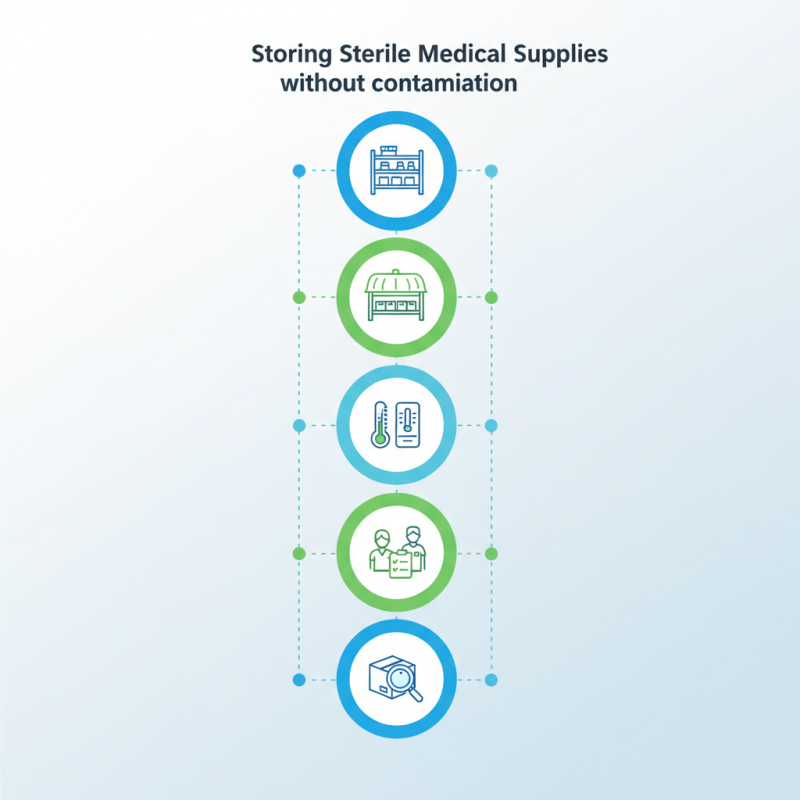
How to Store Sterile Medical Supplies Without Contamination?

Understanding the Importance of Storing Sterile Medical Supplies

Storing sterile medical supplies correctly is crucial for preventing contamination. An estimated 30% of healthcare-associated infections (HAIs) stem from improper storage practices. Understanding how to maintain sterility is vital for patient safety and operational efficiency.

One essential tip is to keep supplies in a clean, dry area. The World Health Organization emphasizes that moisture can introduce pathogens. It's important to regularly check for any signs of damage to packaging. Damaged packaging can compromise sterility. Additionally, consider implementing a first-in, first-out system for inventory. This practice can help reduce waste and ensure that supplies are used within their expiration dates.

Another key aspect is temperature control. The Centers for Disease Control and Prevention indicates that sterile supplies should be stored in regulated environments. Extreme temperatures can affect the integrity of the materials. Monitor the environment regularly, and adjust conditions if necessary. This ongoing attention can significantly enhance the safety and reliability of stored supplies.

Choosing the Right Storage Environment for Sterile Supplies

When choosing the right storage environment for sterile medical supplies, cleanliness is essential. An ideal space should be temperature-controlled and free from humidity. These conditions help prevent microbial growth, which can compromise sterility. Ensure the room is well-ventilated to avoid stagnant air, which may carry contaminants. Use dedicated cabinets that are easy to clean and organize supplies properly, minimizing the risk of cross-contamination.

Lighting plays a subtle yet crucial role. Dim, indirect light helps minimize exposure to potentially damaging radiation. Regular maintenance of your storage environment is also significant. Dust and other particles can accumulate over time, affecting the quality of sterile items. It's important to reflect on the organization of your supplies, conducting periodic checks to ensure compliance with storage guidelines. This ongoing attention helps maintain the integrity of the sterile environment and encourages a culture of safety and responsibility among staff.

Storage Conditions for Sterile Medical Supplies

Best Practices for Packaging and Labeling Sterile Medical Supplies

Proper packaging and labeling of sterile medical supplies are crucial for maintaining their integrity. Use sterile pouches, wrap, or containers that are designed specifically for medical purposes. Ensure that your packaging materials are resistant to moisture and punctures. Evaluate your packing area regularly to eliminate potential contaminants. Every surface should be cleaned frequently, and staff must follow hygiene protocols. Routine training can help staff understand packaging requirements.

Labeling must be clear and precise. Include product information, expiry dates, and any special handling instructions. Color coding can be an effective method for quick identification. However, be cautious about label placement; they should not obstruct any access points. Consider incorporating a batch number for traceability. Mistakes in labeling can lead to severe consequences, so double-check each entry. Review your labeling practices regularly to improve accuracy. Always encourage staff to report errors and suggest improvements.

Techniques to Prevent Contamination During Storage

Storing sterile medical supplies without contamination is crucial. Understanding proper techniques can help maintain their integrity. Here are some effective methods.

Keep supplies in clean, designated areas. Use cabinets specifically designed for medical storage. Ensure these areas are free from dust and moisture. Regularly check for any signs of contamination. If supplies appear compromised, discard them immediately. It’s better to be safe than sorry.

Tip: Always label storage areas clearly. This can prevent mistakes in supply retrieval. Train staff on the importance of maintaining strict hygiene standards. Personal practices matter too. Frequent hand washing is vital before handling medical supplies.

Use transparent bins for easy visibility. This reduces the time supplies remain exposed to the outside environment. Cover items when not in use. This protects them from airborne contaminants. It’s important to reflect on your storage practices regularly. Adapt and improve as needed for ongoing safety.

How to Store Sterile Medical Supplies Without Contamination? - Techniques to Prevent Contamination During Storage

Technique Description Recommended Storage Conditions Duration of Sterility
Use of Cleanroom Storing supplies in a controlled environment to minimize airborne contaminants. Temperature: 20-25°C; Humidity: 30-60% Up to 5 years if properly maintained.
Sealed Packaging Utilizing vacuum-sealed or sterile packaging to protect supplies from contamination. Cool, dry place away from direct sunlight. 1-3 years depending on packaging integrity.
Regular Audits Conducting audits to ensure supplies remain within sterile parameters. Maintain consistent monitoring of storage conditions. N/A
Use of Desiccants Incorporating desiccants to control humidity levels within storage containers. Controlled temperature with low humidity. Variable based on conditions maintained.

Regular Monitoring and Maintenance of Storage Conditions

Storing sterile medical supplies requires careful attention to storage conditions. Regular monitoring is essential. According to a 2022 report by the Healthcare Sterile Processing Association, nearly 30% of contamination events stem from poor storage practices. This underscores the importance of maintaining proper environments.

Temperature and humidity play critical roles in the longevity of sterile supplies. Ideal storage conditions often fall between 20-25°C with humidity levels below 60%. Over time, exceeding these thresholds could lead to compromised sterilization. Regular checks can help identify fluctuations. Using data loggers for continuous monitoring can provide invaluable insights.

Tips: Utilize color-coded systems for easy identification of supplies. Ensure supplies are stored off the floor to prevent contamination and damage. Conduct routine audits, checking for any expired items or signs of compromised packaging. Remember, even small lapses in storage practices can have significant repercussions. Reflection on these aspects can lead to better protocols and safer facilities.

FAQS

: Why is proper packaging important for sterile medical supplies?

: Proper packaging maintains the integrity of sterile medical supplies and prevents contamination.

What materials should be used for packaging medical supplies?

Use sterile pouches, wraps, or containers specifically designed for medical use, resistant to moisture and punctures.

How can contamination during storage be prevented?

Store supplies in clean, designated areas and regularly check for contamination signs. Discard any compromised supplies.

What should be included on a product label?

Labels should include product information, expiry dates, special handling instructions, and can benefit from color coding.

How often should labeling practices be reviewed?

Regular reviews of labeling practices improve accuracy and reduce the chances of errors that can have severe consequences.

What are the ideal storage conditions for sterile supplies?

Ideal conditions are 20-25°C with humidity levels below 60%. Regular monitoring is crucial to identify any fluctuations.

Why is staff training important in packaging and storage?

Routine training helps staff understand proper practices and hygiene protocols, which are essential for maintaining sterile supplies.

How often should storage areas be cleaned?

Cleaning should be frequent to eliminate potential contaminants and ensure a safe storage environment.

What should be done if supplies show signs of compromise?

Any supplies that appear compromised should be discarded immediately to ensure safety.

How can improvements in storage practices be achieved?

Reflect regularly on current practices and adapt based on audits and observations for ongoing safety in facilities.

Conclusion

Proper storage of sterile medical supplies is crucial to ensure their effectiveness and safety, which is why it's essential to understand how to store sterile medical supplies to prevent contamination. Selecting the right storage environment is key; this includes maintaining appropriate temperature and humidity levels while ensuring a clean, dust-free area. Effective packaging and labeling are also important, as they help identify contents and ensure supplies remain sealed until use.

Furthermore, implementing techniques to prevent contamination during storage, such as using clean trays, regular hand hygiene, and adhering to a strict organizational system, is vital. Regular monitoring and maintenance of storage conditions should not be overlooked, as consistent checks can help identify any issues before they lead to contamination. By following these best practices, healthcare providers can safeguard the integrity of sterile medical supplies.

Sienna

Sienna

Sienna is a skilled marketing professional with a deep expertise in our company’s core products and services. With a passion for innovation and detail, she plays a pivotal role in crafting insightful blog posts that not only highlight the unique features of our offerings but also provide valuable......