How to Set Up a Sterile Field with a Basic Dressing Pack?

Time:2026-06-28 Author:Sienna
0%

Setting up a sterile field is crucial in medical environments. Understanding how to set up a sterile field with a basic dressing pack ensures patient safety and effective procedures. This process minimizes infection risk and promotes healing.

When preparing for a procedure, one must pay attention to details. Gather all necessary supplies, including gloves, drapes, and dressings. Use a clean surface to establish your workspace. Remember, even minor lapses can compromise sterility.

Practicing this setup enhances skills over time. Reflecting on your process helps identify areas for improvement. A well-prepared sterile field fosters confidence in any medical procedure. Ultimately, mastering how to set up a sterile field with a basic dressing pack can significantly impact patient care.
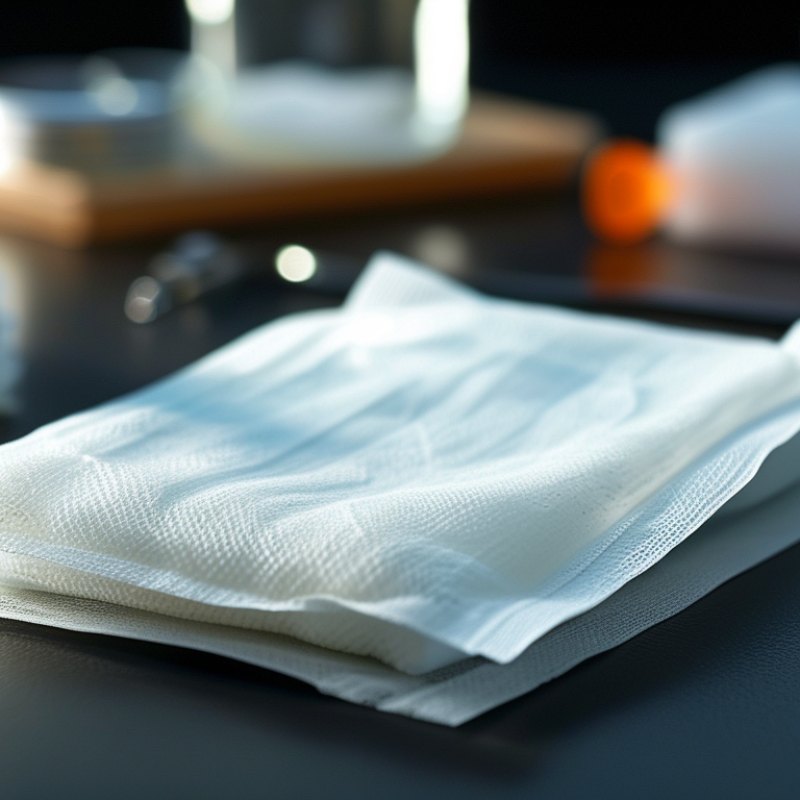
How to Set Up a Sterile Field with a Basic Dressing Pack?

Understanding the Importance of a Sterile Field in Wound Care

In wound care, maintaining a sterile field is crucial. A sterile environment reduces the risk of infections. According to the Centers for Disease Control and Prevention (CDC), proper wound management decreases surgical site infections by up to 60%. This emphasizes why understanding sterile techniques is vital for healthcare professionals.

Creating a sterile field involves careful preparation. Use a clean surface and ensure all instruments are sterilized. Healthcare providers must wear gloves and use masks to minimize contamination. However, even skilled professionals can make mistakes. Overlooking small details, like not discarding contaminated items promptly, can compromise the sterile field. Research indicates that lapses in protocol often lead to increased infection rates.

Wound care also requires ongoing education. Many professionals undervalue this aspect. Regularly reviewing sterile techniques helps refine practices. For example, studies show that training programs designed for wound care increase understanding of infection control. Continuous learning fosters confidence and enhances patient safety. Acknowledging areas for improvement is essential for anyone in the field.

How to Set Up a Sterile Field with a Basic Dressing Pack? - Understanding the Importance of a Sterile Field in Wound Care

Step Description Importance
1 Gather all necessary materials, including sterile gloves, dressing, gauze, and disinfectants. Ensures all items are ready and minimizes contamination risk.
2 Clean the workspace with an appropriate disinfectant. Removes pathogens and creates a safe environment for dressing.
3 Set up a sterile drape to cover the work area around the wound. Establishes boundaries for the sterile field, minimizing contamination.
4 Don sterile gloves carefully to maintain sterility. Protects both the caregiver and the patient from infection.
5 Apply the dressing per the wound care guidelines. Promotes healing and prevents further contamination.

Essential Components of a Basic Dressing Pack for Sterile Procedures

Setting up a sterile field requires careful attention to the components of a basic dressing pack. Essential items often include sterile gauze, adhesive dressings, and antiseptic wipes. These materials help prevent infection during procedures. Using high-quality, sterile components is critical for patient safety.

When preparing the sterile field, ensure all items are within reach. This arrangement allows for smooth operation during a procedure. However, avoid overcrowding the area as it can lead to confusion. Each item should have a designated space. This practice minimizes the risk of contamination. Remember, not all environments are ideal. Occasionally, unexpected challenges arise. It's essential to remain adaptable.

In addition to the basic components, consider the storage and handling of the pack. Proper maintenance of sterility is vital. Some practitioners may overlook the importance of maintaining a clean workspace. Regularly assess for clutter and take corrective actions. Learning from experiences helps improve future setups. Sterile procedures are not just about materials; they are about deliberate processes.

Step-by-Step Preparation of the Sterile Field

Setting up a sterile field requires attention to detail and adherence to strict protocols. Begin by selecting a clean and spacious area. Place the basic dressing pack on a surface that has been properly sanitized. Ensure that the surrounding space is free from distractions and contaminants.

Open the sterile pack carefully. Avoid touching the inner contents directly with your hands. Use only the corners of the pack to prevent contamination. Once opened, create a boundary using sterile drapes, ensuring they cover all sides of the work area. This adds an additional layer of protection.

As you work, remember to limit movement to maintain sterility. If an item accidentally touches a non-sterile surface, reconsider its use. Items should remain on the sterile field only when necessary. Transparency about any mistakes or oversights is crucial for maintaining safety. Acknowledging potential errors helps emphasize the importance of proper technique in setting up a sterile environment.

Techniques for Maintaining Sterility During the Dressing Process

Setting up a sterile field is crucial in any dressing procedure. First, prepare your area by ensuring cleanliness. Use an antiseptic to wipe surfaces. Next, open your dressing pack carefully to avoid contamination. If you touch the inner contents, discard them immediately. Equipment must not touch any non-sterile surfaces.

During the dressing process, maintain sterility by minimizing air exposure. Keep tools in their sterilized packaging until needed. Wear gloves and change them if they contact anything non-sterile. Stay aware of your movements; a careless gesture can compromise the sterile field. Regularly assess your technique.

It's important to reflect on your practices. Mistakes can still happen despite precautions. Evaluate if your workspace is truly sterile. Engage with peers for feedback on maintaining sterility. Continuous improvement leads to better outcomes in patient care. Stay dedicated to refining your skills.

Best Practices for Disposing of Materials After Use

Proper disposal of materials after setting up a sterile field is critical in healthcare. Studies show that improper waste disposal can lead to contamination and infections. According to the World Health Organization, around 15% of healthcare waste is hazardous. This includes sharp objects and infectious materials. Thus, establishing clear disposal protocols is essential.

After using a basic dressing pack, biohazard waste must be segregated from other materials. Used dressings, gloves, and any sharp objects should be placed in designated sharps containers. This minimizes the risk of injury and cross-contamination. Regular audits of disposal practices can reveal gaps in adherence. For instance, a report by the Environmental Protection Agency highlights that many facilities continue to have improper waste segregation.

Education and training are vital. Staff should fully understand why proper disposal matters. Many forget that even non-sharp waste can harbor pathogens. Continuous improvement should be a focus in clinical settings. Regularly revisiting disposal guidelines encourages best practices. Even small adjustments can create a safer environment for both patients and staff.

FAQS

: Why is a sterile field important in wound care?

: A sterile field reduces infection risk, lowering surgical site infections by up to 60%.

How can healthcare professionals ensure a sterile environment?

They should use clean surfaces, sterilized instruments, and wear gloves and masks.

What common mistakes can compromise a sterile field?

Overlooking details like discarding contaminated items can significantly increase infection rates.

How often should practitioners review sterile techniques?

Ongoing education is important, as regular reviews increase understanding and application of infection control.

What items are essential for a basic dressing pack?

Essential components include sterile gauze, adhesive dressings, and antiseptic wipes for infection prevention.

How should one arrange the items in a sterile field?

Items should be within reach and have designated spaces to avoid overcrowding and confusion.

What should be done if an item touches a non-sterile surface?

Reconsider its use to maintain the integrity of the sterile field.

How can practitioners handle unexpected challenges during sterile procedures?

They should remain adaptable and assess their workspace regularly for cleanliness.

What role does transparency play in maintaining sterility?

Acknowledging any mistakes enhances safety and emphasizes the importance of proper technique.

Why is continuous learning vital in wound care?

It fosters confidence and improves practices, helping professionals to acknowledge areas for improvement.

Conclusion

Setting up a sterile field with a basic dressing pack is crucial in wound care to prevent infections and promote healing. Understanding the importance of maintaining a sterile environment lays the foundation for effective wound management. A basic dressing pack typically contains essential components such as sterile gauze, gloves, and antiseptic solutions, which are vital for performing safe procedures.

To successfully set up a sterile field, one must follow a step-by-step preparation process that includes proper hand hygiene and the arrangement of sterile materials. Techniques for maintaining sterility during the dressing process are essential to ensure that the area remains uncontaminated. Additionally, best practices for disposing of used materials are necessary to uphold safety and hygiene standards. By following these guidelines on how to set up a sterile field with a basic dressing pack, healthcare providers can ensure optimal patient care and safety.

Sienna

Sienna

Sienna is a skilled marketing professional with a deep expertise in our company’s core products and services. With a passion for innovation and detail, she plays a pivotal role in crafting insightful blog posts that not only highlight the unique features of our offerings but also provide valuable......