Top 10 Ways to Properly Dispose of Contaminated Surgical Drapes?

Time:2026-03-30 Author:Isabella
0%

Surgical drapes play a crucial role in maintaining sterile environments during procedures. However, the disposal of contaminated drapes poses significant challenges. Dr. Jane Smith, a renowned expert in medical waste management, emphasizes the importance of proper protocols. She states, “The way we dispose of contaminated surgical drapes can have lasting impacts on public health.”

Understanding how to properly dispose of contaminated surgical drapes is essential for healthcare facilities. Improper disposal can lead to contamination risks and environmental hazards. Many facilities struggle with protocols, often lacking clear guidelines. This uncertainty can lead to mistakes that affect both staff and patients.

It's vital to engage in effective training and awareness programs. Ensuring that all personnel understands the correct disposal methods is key. The responsibility of disposing of these materials lies not only with the medical staff but also with the entire institution. A commitment to excellence in waste management can protect health outcomes and enhance institutional reputation.
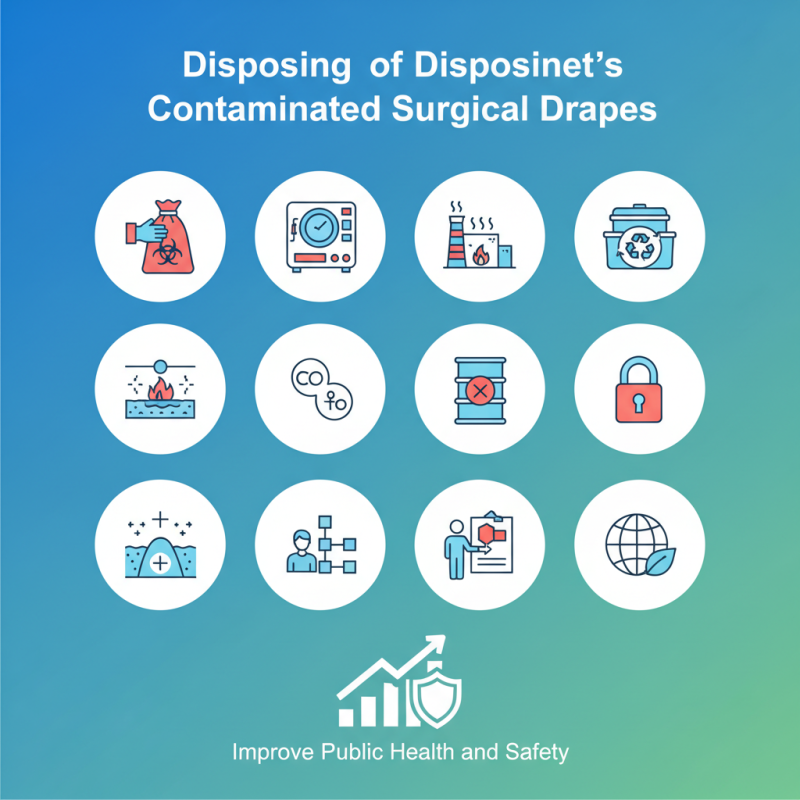
Top 10 Ways to Properly Dispose of Contaminated Surgical Drapes?

Understanding the Importance of Proper Disposal of Contaminated Drape

Proper disposal of contaminated surgical drapes is crucial in healthcare settings. These drapes can harbor dangerous pathogens. If disposed of incorrectly, they pose a severe risk to public health and the environment. Staff must understand the risks and take action.

Often, healthcare facilities fail to implement strict disposal protocols. This results in increased waste and potential contamination spreads. Staff training is essential. Medical workers need clear guidelines on how to handle and dispose of these drapes. Proper techniques, like using designated containers, can minimize risks significantly.

Reflection on practices is necessary. Some facilities may neglect inspections of waste management systems. Regular audits and updates can prevent hazardous situations. A culture of safety and responsibility should be enforced to protect both patients and the community.

Top 10 Ways to Properly Dispose of Contaminated Surgical Drapes

Identifying Types of Contaminated Surgical Drapes

When dealing with contaminated surgical drapes, it's vital to identify their types. Common contaminants include blood, bodily fluids, and microbial agents. Each type poses unique challenges for disposal. Proper classification can streamline the process and enhance safety for everyone involved. Knowing the specific contaminants helps establish effective procedures.

For instance, blood-soaked drapes must be treated as biohazardous waste. These materials are particularly risky and require special handling. In contrast, drapes that have come into contact with non-pathogenic substances may follow different disposal protocols. This knowledge is crucial for compliance with health regulations.

Tips for proper disposal begin with rigorous inspection. Check all drapes for contamination before disposal. Seal contaminated materials in approved biohazard bags to prevent leaks. Train staff regularly on updated regulations and safe handling techniques. Consistency in training fosters a culture of safety. Reflecting on past mistakes will only enhance future practices. The need for constant vigilance cannot be overstated.

Utilizing Appropriate Personal Protective Equipment (PPE)

When dealing with contaminated surgical drapes, the use of appropriate Personal Protective Equipment (PPE) is essential. Healthcare professionals should don gloves, masks, gowns, and eye protection to minimize exposure. According to the Centers for Disease Control and Prevention (CDC), about 1 in 25 hospitalized patients contracts an infection, often from improperly handled materials. Proper PPE reduces this risk significantly.

Selecting the right PPE involves understanding the level of exposure expected. For example, fluid-resistant gowns are necessary in surgeries where blood or other fluids may splatter. Studies highlight that nearly 80% of healthcare-associated infections could be prevented with the correct PPE protocols in place. However, many facilities still lack comprehensive training on donning and doffing techniques, leading to avoidable mistakes.

In some cases, staff members may overlook gear specifics, like the need for double gloving in high-risk procedures. Compliance with PPE protocols can vary widely. A recent survey indicated that 30% of healthcare workers reported not always wearing the required protection. This inconsistency is worrisome and calls for reflective practices. Ensuring everyone is on the same page is vital for safety in surgical environments.

Methods for Safe Disposal in Healthcare Facilities

The safe disposal of contaminated surgical drapes is crucial in healthcare settings. According to industry reports, improper disposal can lead to increased infection rates and harm both patients and staff. In the U.S., an estimated 40% of hospital-acquired infections are linked to improper disposal of medical waste. Healthcare facilities need to adopt best practices to manage this waste effectively.

One method involves segregating contaminated drapes from regular waste right at the point of use. This reduces the risk of cross-contamination. Facilities also use color-coded bins to help staff quickly identify appropriate disposal methods. A study published in the Journal of Healthcare Risk Management found that proper training on waste disposal protocols can reduce contamination incidents by over 30%.

Another recommended practice is using reusable drapes where feasible. While initial costs may be higher, reusables ultimately reduce landfill waste and environmental impact. However, this approach requires strict adherence to sterilization protocols, with careful tracking of cleaning cycles. Overall, while challenges exist in the disposal of surgical drapes, implementing these methods has shown promising improvements in patient safety and environmental sustainability.

Regulatory Guidelines for Contaminated Surgical Drape Disposal

When it comes to disposing of contaminated surgical drapes, adherence to regulatory guidelines is crucial. These drapes often harbor pathogens and hazardous materials, making proper disposal essential for public health. The Centers for Disease Control and Prevention (CDC) advises that all contaminated materials must be treated as biohazard waste. In fact, studies show that about 13 million surgical procedures occur annually in the United States, generating a significant volume of waste.

The Occupational Safety and Health Administration (OSHA) sets forth regulations to protect healthcare workers during the disposal process. They stipulate that contaminated drapes should be placed in color-coded bags, specifically designed for biohazardous waste. Without accurate labeling and containment, the risk of infection increases. A survey conducted by the Association of periOperative Registered Nurses (AORN) found that 78% of surgical staff reported confusion over waste disposal protocols. This highlights the need for continuous education and training in hospitals.

Facilities must also consider the environmental impact. A report from the Environmental Protection Agency (EPA) shows that healthcare facilities contribute to 5.9 million tons of waste annually. Many hospitals are now adopting sustainable practices. This includes recycling materials that are not contaminated. However, the protocols can vary widely between institutions, often leading to challenges in compliance. Regular audits and updates to protocols are necessary to enhance safety and reduce waste.

FAQS

: What are common contaminants found on surgical drapes?

: Common contaminants include blood, bodily fluids, and microbial agents, each requiring specific handling.

Why is it important to classify contaminated drapes?

Proper classification enhances safety and streamlines disposal processes in healthcare settings.

How should blood-soaked drapes be disposed of?

Blood-soaked drapes are considered biohazardous waste and require special handling procedures.

What steps should be taken before disposing of surgical drapes?

Inspect all drapes for contamination, and seal contaminated materials in approved biohazard bags.

How can healthcare facilities reduce contamination incidents?

Staff training on waste disposal protocols can decrease incidents by over 30%, so consistency is key.

What is the role of color-coded bins in waste disposal?

Color-coded bins help staff quickly identify the right disposal method, reducing the risk of cross-contamination.

Why might reusable drapes be a better option?

Reusable drapes can reduce landfill waste and environmental impacts, but require strict sterilization protocols.

What impact does improper disposal of medical waste have?

Improper disposal can lead to increased infection rates, harming both patients and staff.

How often should staff training on disposal techniques occur?

Regular training updates are essential for maintaining a culture of safety in healthcare facilities.

What is a key reflection point regarding past disposal practices?

Reflecting on past mistakes in disposal can lead to enhanced future practices and improved safety protocols.

Conclusion

Proper disposal of contaminated surgical drapes is crucial in maintaining a safe and clean healthcare environment. This article emphasizes the importance of understanding the various types of contaminated drapes and their associated risks. It highlights the need for healthcare professionals to utilize appropriate personal protective equipment (PPE) to ensure their safety during the disposal process.

Methods for safe disposal in healthcare facilities are discussed, focusing on adherence to regulatory guidelines designed to manage biohazardous materials effectively. By following these protocols, healthcare workers can confidently learn how to properly dispose of contaminated surgical drapes, ultimately protecting both patient and staff health while ensuring compliance with relevant regulations.

Isabella

Isabella

Isabella is a dedicated marketing professional with a sharp focus on driving brand growth and engagement through strategic content creation. With an extensive background in digital marketing, she combines her passion for storytelling with her keen understanding of industry trends to deliver......