In the realm of surgical procedures, maintaining a sterile field during drape application is essential. Research indicates that up to 60% of surgical site infections are linked to breaches in sterile techniques. According to Dr. Emily Tran, a leading expert in surgical safety, “Ensuring a sterile field is critical for patient outcomes.” Her insights highlight the profound impact of careful drape application on overall surgical success.
Effective draping involves meticulous attention to detail and adherence to established protocols. Even minor lapses can lead to significant consequences. Various studies show that improper drape handling is a common source of contamination, underscoring the need for training and awareness.
As healthcare professionals strive to improve outcomes, understanding how to maintain a sterile field during drape application becomes increasingly crucial. The stakes are high, as any oversight can jeopardize patient safety. Fostering a culture of vigilance is vital in minimizing risks associated with surgical procedures. Only through commitment and continuous learning can teams excel in this fundamental aspect of surgical practice.
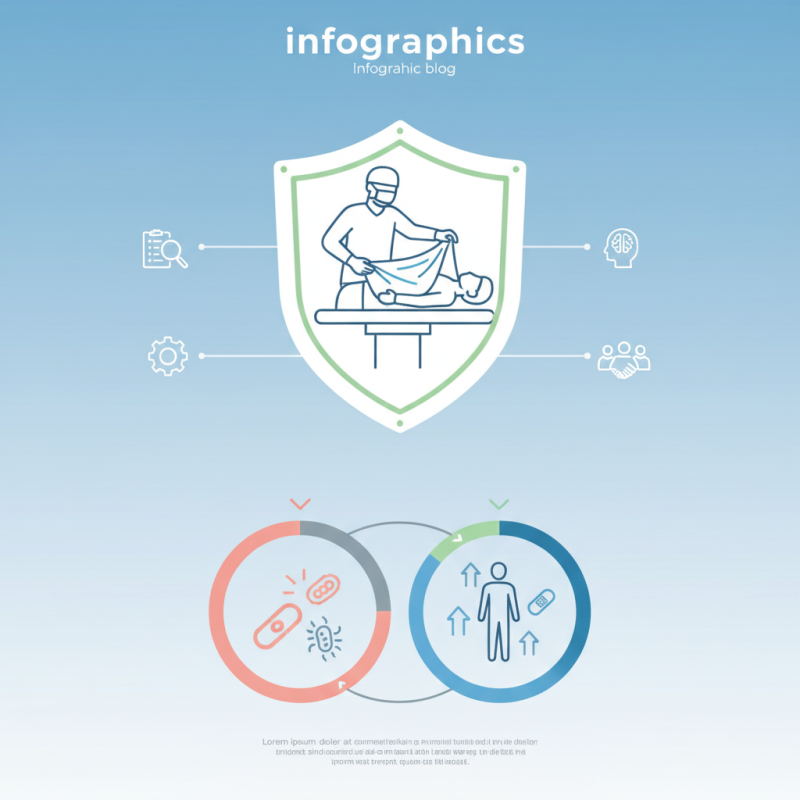
Maintaining a sterile field during surgical procedures is essential. A sterile field prevents infections, which can be devastating for patients. According to the Centers for Disease Control and Prevention (CDC), over 1 million surgical site infections occur in the U.S. each year. These infections not only lead to longer hospital stays but also result in increased healthcare costs.
Proper drape application is key to preserving sterility. The drapes should cover the surgical area completely, sealing off any potential contamination sources. It is crucial that the sterile team works together seamlessly. Any lapse can compromise the sterile barrier. Studies show that teamwork enhances adherence to sterile protocols, reducing infection rates significantly.
Tips for a Sterile Field:
A sterile field is not just a guideline; it is the foundation of a successful surgery. Negligence in maintaining sterility can have dire consequences. Continuous training and awareness are vital. Medical teams should regularly discuss and reflect on their practices to improve. Regular assessments can further highlight areas needing enhancement.
Maintaining a sterile field during drape application is crucial. Preparation steps are vital to ensure sterility and prevent infections. Clean the surgical area thoroughly before beginning. This process includes disinfecting surfaces and organizing instruments.
Tips: Always wear gloves when touching any surgical equipment. This simple action minimizes contamination risks.
Ensure all team members are aware of sterile techniques. Communication plays a key role in maintaining sterility. If anyone is unsure, pause and reassess to avoid compromising the sterile field.
Another important step is to use sterile drapes correctly. Check for any tears or holes before applying. Small imperfections can lead to major issues. Regularly inspect the sterile area during the procedure to catch any lapses early.
| Preparation Step | Description | Importance |
|---|---|---|
| Hand Hygiene | Thoroughly wash and sanitize hands before the procedure. | Reduces risk of contamination. |
| Sterile Gloves | Wear sterile gloves to maintain a barrier from contaminants. | Prevents direct contact with non-sterile surfaces. |
| Drape Selection | Choose appropriate sterile drapes based on the procedure. | Ensures adequate coverage and sterility. |
| Equipment Preparation | Prepare all surgical instruments and equipment in advance. | Minimizes the risk of contamination during the procedure. |
| Environmental Control | Ensure the surgical area is clean and free of non-sterile items. | Maintains a sterile environment. |
Maintaining a sterile field during drape application is crucial in any surgical or procedural setting. Proper drape handling and placement techniques are essential for infection control. A well-managed sterile field minimizes contamination risks and enhances patient safety.
Begin by ensuring that all equipment and personnel involved in the procedure are properly scrubbed and donned in sterile attire. When handling drapes, avoid touching non-sterile surfaces. Hold the drape by its edges and allow it to unfold naturally. This technique reduces the risk of touching the sterile area. Pay close attention to the drape's orientation to ensure it covers the entire surgical site.
Placement of the drape should be executed with care. Ideally, drapes must be positioned swiftly and smoothly. If a drape falls or touches a non-sterile surface, it must be replaced immediately. It’s valuable to communicate any issues with your team. Discussing potential contamination helps reinforce a culture of safety. Reflecting on these practices can guide improvements in maintaining a sterile environment for every procedure.
This chart illustrates the relative importance of various techniques to maintain a sterile field during drape application. Key factors include proper handling techniques, drape placement accuracy, environmental control, staff training, and regular audits.
During the drape application process, maintaining sterility is crucial for patient safety. Every member of the surgical team must understand their role in this process. Proper hand hygiene is essential before handling any drapes. Use a sterile technique to prevent contamination.
Tips: Always hold drapes by the edges. This minimizes direct contact with sterile surfaces. Ensure that the drape’s underside does not touch non-sterile items during application. This practice can greatly reduce the risk of infection.
Another area to focus on is the environment. Surfaces should be clean and free from debris before starting. Regularly check that all instruments and materials are in their sterile wraps. If any items appear damaged or compromised, replace them immediately. Always assess the situation; if there’s a breach in sterility, corrective action must be taken promptly.
Tips: Keep distractions to a minimum while you work. An organized workspace allows for better focus. Clear communication among team members is also key to success. Everyone must be aware of the sterile field’s boundaries. This vigilance keeps the environment safe for the patient.
Maintaining a sterile environment after drape application is crucial in surgical settings. After the drapes are placed, the first step is to assess the area for any contamination. Regular checks can catch issues early, preventing larger problems. It's essential to have a designated person responsible for monitoring the sterile field. This reduces the likelihood of contaminated surfaces going unnoticed.
Additionally, engaging the surgical team in maintaining sterility is vital. Encourage team members to communicate when instruments are dropped or if a new item is introduced. Implementing strict no-touch protocols for non-sterile items can help. Sometimes, despite the best efforts, lapses occur. Reflecting on these moments allows for adjustments to be made for future procedures.
Environmental factors should also be considered. Airflow can disturb a sensitive sterile field. Positioning of fans, heaters, or even the way doors are opened matters. This aspect is often overlooked but can lead to unexpected risk. Continuous training sessions emphasizing sterile practices refine the team's knowledge and enhance a culture of safety. Each procedure is a learning experience.
: A sterile field prevents infections, which can be devastating for patients. Infections lead to longer hospital stays and higher costs.
Always double-check the sterility of your drapes before application. This ensures you are starting from a clean state.
Hold drapes by their edges and let them unfold naturally. Avoid touching non-sterile surfaces during handling.
If a drape falls or touches a non-sterile surface, it must be replaced immediately to maintain sterility.
Regular discussions and reflections about practices can improve team awareness. Continuous training is also crucial for successful outcomes.
Team members should communicate issues like dropped instruments. This reinforces a culture of safety and awareness.
Factors like airflow from fans or improperly opened doors can disturb a sterile field. These aspects should be monitored closely.
Designating a specific team member to monitor the sterile field helps catch contamination issues early and enhances safety.
Regular checks for contamination can prevent larger problems. Address issues immediately and adjust practices as needed.
Regular assessments and training sessions highlighting sterile procedures can enhance knowledge and improve overall practices.
Maintaining a sterile field during drape application is crucial in ensuring patient safety and minimizing the risk of infection during surgical procedures. Understanding the importance of a sterile field lays the foundation for effective practices. Preparation steps must be meticulously followed before draping, which include thorough handwashing and sterile gowning, to eliminate any contaminants.
Techniques for proper drape handling and placement are essential in preserving sterility; this includes using the correct grip and ensuring that drapes are placed without touching non-sterile surfaces. During the application process, it is important to avoid any breaches in sterility by monitoring the movements of the surgical team and ensuring that all instruments and supplies remain uncontaminated. Finally, post-application best practices help sustain a sterile environment, which is vital for the success of the procedure and the overall wellbeing of the patient.

NW Medical