AAMI Level 3 vs Level 4 Gowns Key Differences Explained

Time:2026-07-28 Author:Oliver
0%

When considering protective gear in healthcare, understanding what is the difference between AAMI Level 3 and Level 4 gowns is crucial. These two levels of gowns offer distinct features that cater to different environments. AAMI Level 3 gowns provide moderate barrier protection, suitable for low-risk situations. They are often used during interventional procedures or in environments with blood exposure.

On the other hand, AAMI Level 4 gowns offer a higher level of protection against fluid penetration. This makes them more suitable for surgical operations or during the handling of infectious materials. The difference in their liquid barrier performance is significant. It is essential for healthcare professionals to select the appropriate gown based on the risk level.

In practice, the choice of gown can profoundly impact safety and infection control. It is a decision that should not be taken lightly. By understanding the specific characteristics of both levels, professionals can make informed choices that enhance protection in their day-to-day activities. Selecting the right gown isn't just about compliance; it reflects a commitment to patient safety and care quality.
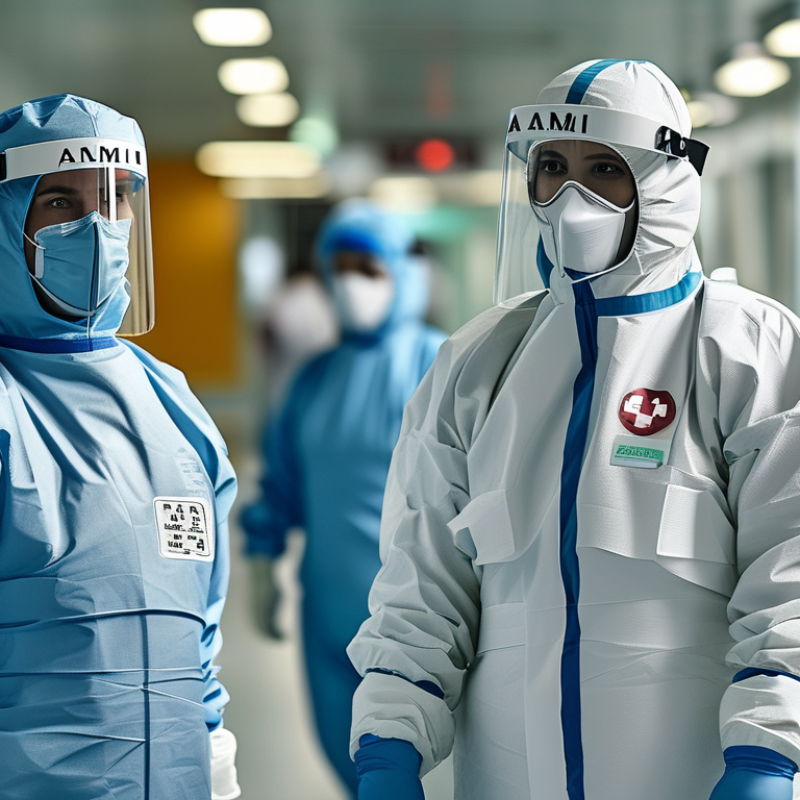
AAMI Level 3 vs Level 4 Gowns Key Differences Explained

Understanding AAMI Levels: An Overview of Gown Standards

Understanding the American Association of Medical Instrumentation (AAMI) gown levels is essential for healthcare professionals. AAMI gown standards define the barrier protection offered to medical staff. There are distinct differences between Level 3 and Level 4 gowns, particularly in terms of fluid resistance.

Level 3 gowns are designed for moderate risk environments. They provide adequate protection against splashes and fluids but may not hold up in more extreme cases. The fabrics used are generally water-repellent but not impermeable. In contrast, Level 4 gowns offer a higher level of protection. They are designed for high-risk scenarios such as surgeries. These gowns are often tested against stronger fluids and feature advanced barrier technologies.

While both levels serve important purposes, choosing the right gown can be tricky. Some may underestimate the need for Level 4 gowns in certain situations. This oversight can lead to inadequate protection for healthcare workers. Proper training and awareness of the standards are necessary for making informed decisions. The decision regarding gown selection can significantly impact safety and outcomes in clinical settings.

Key Features of AAMI Level 3 Gowns and Their Protective Capabilities

AAMI Level 3 gowns are designed for moderate risk situations. They offer fluid resistance and are appropriate for procedures with a higher potential for exposure. These gowns are often used in surgery or when handling blood and bodily fluids. According to industry standards, Level 3 gowns must withstand 80-100 mmHg of hydrostatic pressure. This makes them reliable for environments with potential splashes or sprays.

In contrast, AAMI Level 4 gowns provide the highest level of protection. They are impermeable to blood and other fluids, making them suitable for high-risk situations, such as during major surgical procedures. These gowns meet standards of at least 160 mmHg hydrostatic pressure. Research indicates that using Level 4 gowns can significantly reduce the risk of healthcare-associated infections.

However, the increased protection comes at the cost of breathability and comfort, which can lead to physician fatigue during extended procedures.

While both Level 3 and Level 4 gowns have their places in medical settings, examining their unique features is crucial. Ensuring the right choice enhances safety without compromising the comfort of healthcare providers. Balancing protection with wearability calls for ongoing discussions within the industry to improve garment design and functionality.

AAMI Level 4 Gowns: Enhanced Protection and Usage Scenarios

AAMI Level 4 gowns provide enhanced protection for healthcare professionals. These gowns are critical in high-risk environments. They offer superior liquid barrier capabilities compared to Level 3 gowns. Common scenarios where Level 4 gowns are used include surgeries and procedures with high fluid exposure. High filtration helps protect against blood and bodily fluids.

When selecting AAMI Level 4 gowns, consider the specific needs of your facility. Ensure the gown fits properly. A well-fitting gown offers better coverage and reduces the risk of exposure. Check for compliance with safety standards. Not all gowns labeled “Level 4” are created equal. It’s essential to source from reputable suppliers.

Tip: Regular training on proper gown donning and doffing techniques can prevent contamination. Make sure to review the comfort aspect, as prolonged wear can lead to fatigue. Comfort is crucial for maintaining focus during lengthy procedures. Always remain vigilant and rethink if the protective gear meets the demands of the situation.

Comparative Analysis: Level 3 vs Level 4 Gowns in Healthcare Settings

In healthcare settings, personal protective equipment is critical. AAMI Level 3 and Level 4 gowns serve distinct purposes. Level 3 gowns offer moderate barrier protection against liquid splashes. These gowns are commonly used in surgical procedures and areas with less exposure risk. They provide adequate coverage, but they may not withstand severe hazards.

Level 4 gowns, on the other hand, are designed for high-risk scenarios. These gowns offer maximum protection against bloodborne pathogens and large amounts of fluid. They are essential in situations like major surgeries or emergency care. The materials used in Level 4 gowns are often thicker and more durable. This means they can better resist breakdown under stress.

Choosing the right gown depends on specific circumstances. Healthcare facilities must evaluate their needs carefully. Relying on the appropriate protection can prevent contaminants from causing harm. However, it is essential to recognize that even with high-level gowns, breaches in safety can occur. Regular training and adherence to protocols are necessary to ensure staff safety and patient health.

AAMI Level 3 vs Level 4 Gowns Key Differences Explained

Feature Level 3 Gowns Level 4 Gowns
Fluid Resistance AAMI Level 3 ASTM F1670 AAMI Level 4 ASTM F1671
Protection from Blood & Body Fluids Moderate Protection High Protection
Typical Usage Surgical procedures with low to moderate risk High-risk surgical procedures
Comfort and Breathability Good breathability Less breathable due to high barrier protection
Cost Lower cost Higher cost

Choosing the Right Gown: Factors to Consider for Optimal Safety

When selecting the right gown, healthcare professionals must prioritize safety. AAMI Level 3 and Level 4 gowns offer different protection levels. Understanding these distinctions is crucial for optimal safety in medical settings.

Level 3 gowns provide moderate fluid protection, essential for general patient care and non-invasive procedures. They defend against splashes but might not hold up to heavy exposure. Choosing a Level 3 gown could be a cost-effective option in lower-risk environments.

Level 4 gowns, on the other hand, are designed for high-risk procedures where maximum protection is necessary. They resist multiple fluid types and are often used in surgical settings. The selection of Level 4 gowns should be based on procedure type and the level of exposure anticipated.

**Tips:** Ensure proper fit for comfort and mobility. Evaluate the gown’s material for breathability to reduce discomfort over long periods. Always consider the procedure at hand to guide your choice in gown level. Each setting may require a different approach, reflecting the need for careful consideration. Don't rush the decision; it impacts patient and staff safety directly.

AAMI Level 3 vs Level 4 Gowns: Key Differences Overview

This chart illustrates the key performance factors of AAMI Level 3 and Level 4 gowns, highlighting their differences in liquid barrier performance, breathability, cost, durability, and recommended use cases. Level 4 gowns typically offer superior protection but may have lower breathability compared to Level 3 gowns.

FAQS

: What defines

AMI gown levels?

What is the difference between Level 3 and Level 4 gowns?

Level 3 gowns are for moderate risk; Level 4 gowns are for high-risk environments.

When should Level 3 gowns be used?

Level 3 gowns are suitable for procedures with moderate exposure, like surgeries with blood.

What makes Level 4 gowns more protective?

Level 4 gowns are impermeable to fluids, suitable for major surgeries and high-risk scenarios.

How important is gown fit?

Properly fitted gowns offer better coverage and reduce the risk of exposure.

What should I consider when selecting gowns?

Ensure compliance with safety standards and source from reputable suppliers.

Can wearing gowns lead to fatigue?

Yes, Level 4 gowns may reduce comfort, leading to fatigue during long procedures.

Is training important for gown usage?

Regular training on donning and doffing techniques helps prevent contamination.

How do fluid resistance levels differ?

Level 3 withstands 80-100 mmHg; Level 4 withstands at least 160 mmHg of hydrostatic pressure.

Should I rethink my protective gear choice?

Always evaluate if your protective gear meets the situation's demands for safety.

Conclusion

The article "AAMI Level 3 vs Level 4 Gowns Key Differences Explained" provides a comprehensive overview of the standards set by the Association for the Advancement of Medical Instrumentation (AAMI) regarding protective gowns used in healthcare settings. It clarifies what is the difference between AAMI Level 3 and Level 4 gowns by outlining their specific features and protective capabilities. Level 3 gowns are designed for moderate risk exposure, offering substantial fluid resistance, while Level 4 gowns provide a higher level of protection against blood and bodily fluids, making them suitable for high-risk scenarios.

Furthermore, the article emphasizes the importance of selecting the appropriate gown based on factors such as the nature of the procedure, the level of exposure risk, and the desired safety outcomes. By understanding these key differences and features of both AAMI Level 3 and Level 4 gowns, healthcare professionals can make informed decisions that enhance safety and patient care.

Oliver

Oliver

Oliver is a seasoned marketing professional with a wealth of expertise in driving brand awareness and engagement. With a deep understanding of our company's product offerings, he consistently delivers high-quality content that enriches our professional blog. His insights not only shed light on......