When exploring the textile industry, one may wonder what is the difference between SMS and spunlace fabrics. Both are widely used in various applications, yet they possess unique attributes that define their usability. SMS stands for Spunbond-Meltblown-Spunbond, a fabric known for its strength and durability. It is often used in medical and hygiene products due to its barrier properties.
On the other hand, spunlace fabrics are made through a hydroentangling process. This method creates a soft, absorbent material that excels in applications like wipes and personal care items. Users often appreciate spunlace for its comfort against the skin. Each fabric has its strengths, making it essential to understand their specific applications.
Despite their popularity, many still bypass the importance of choosing the right material. Selecting the wrong fabric may lead to dissatisfaction in performance. Understanding what is the difference between SMS and spunlace fabrics encourages better purchasing decisions. Consumers and manufacturers alike benefit from knowledgeable choices in fabric selection.
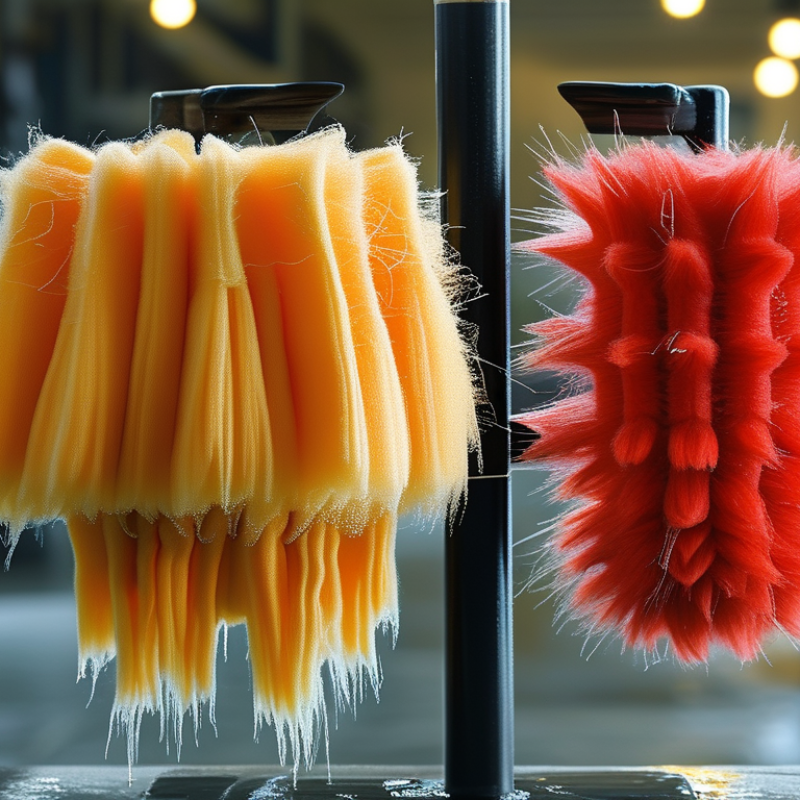
Definition of SMS Fabrics and Their Key Characteristics
SMS fabrics, or spunbond-meltblown-spunbond fabrics, are composed of multiple layers. The outer layers are made from spunbond technology, while the middle layer employs meltblown technology. This structure gives SMS fabrics a unique combination of strength and filtration properties. They are lightweight yet durable, making them suitable for various applications, especially in the medical and hygiene sectors.
One key characteristic of SMS fabrics is their breathability. This feature allows air to flow through while preventing liquid penetration. Due to this, SMS fabrics are often used in surgical gowns, drapes, and masks. Additionally, these fabrics offer excellent barrier protection, which is critical for preventing the transfer of bacteria and viruses. Furthermore, they are resistant to many chemicals and fluids, which enhances their functionality in healthcare environments.
However, there is always room for improvement. Sustainability concerns arise, as SMS materials can be less environmentally friendly. Recycling options for these fabrics are still limited. The production process can also be energy-intensive, leading to questions about their overall impact. Exploring biodegradable alternatives could pave the way for a more sustainable future in fabric technology.
Definition of Spunlace Fabrics and Their Unique Properties
Spunlace fabrics are a unique category of nonwoven materials. They are created by entangling fibers through high-pressure water jets. This method results in softer and more flexible fabrics compared to traditional nonwovens. The process allows for high breathability and absorbency, making spunlace ideal for various applications.
One notable property of spunlace fabrics is their strength despite their lightweight nature. They can withstand considerable tension and abrasion. Additionally, these fabrics can be engineered to have specific textures and patterns, enhancing their visual appeal. However, the manufacturing process is complex and may require reflection on efficiency and environmental impact.
Spunlace is often used in hygiene products, wipes, and medical applications. Its versatility makes it popular, but challenges remain in sustainability. The reliance on water for production raises questions about resource management. Balancing quality with eco-friendliness is an ongoing concern in the spunlace industry.
Comparison of Manufacturing Processes for SMS and Spunlace Fabrics
When comparing SMS and spunlace fabrics, the manufacturing processes are distinct yet fascinating. SMS, which stands for Spunbond-Meltblown-Spunbond, involves multiple layers. First, fibers are spun together in a web. Then, a layer of meltblown material is added, enhancing filtration properties. Finally, these layers are bonded through heat and pressure. This process produces a fabric that is strong, breathable, and resistant to liquids. It's often used in medical textiles, such as surgical gowns.
On the other hand, spunlace fabrics utilize a different technique. Here, fibers are entangled through high-pressure water jets. This method creates a soft and flexible fabric that retains absorbency and durability. Unlike SMS, spunlace doesn’t rely on heat for bonding, which means it can offer a softer texture. This quality makes spunlace popular in hygiene products like wipes and dressing materials. While SMS excels in strength, spunlace stands out in comfort and softness.
Both processes have advantages and challenges. Manufacturers must consider factors like cost, strength, and application. It can be easy to overlook the importance of fabric selection, yet it impacts performance significantly. Balancing these elements requires expertise and experience in material science.
What is the Difference Between SMS and Spunlace Fabrics?
| Feature |
SMS Fabrics |
Spunlace Fabrics |
| Composition |
Polypropylene (PP) |
Cellulose and Polyester |
| Manufacturing Process |
Melt-blown and spun bonding |
Hydroentanglement |
| Applications |
Medical gowns, surgical masks, etc. |
Wipes, medical textiles, etc. |
| Softness |
Moderate |
Very soft |
| Water Resistance |
Good |
Moderate |
| Breathability |
Low to moderate |
High |
| Eco-Friendliness |
Less eco-friendly |
More eco-friendly |
Applications and Uses of SMS vs. Spunlace Fabrics
When comparing SMS and spunlace fabrics, it’s essential to understand their applications and uses. SMS (Spunbond-Meltblown-Spunbond) fabric is commonly utilized in medical settings. Its layered structure provides excellent barrier protection against bacteria, making it ideal for surgical gowns and masks. This fabric is lightweight, breathable, and offers high fluid resistance.
On the other hand, spunlace fabrics find extensive use in personal care products. These nonwoven materials are soft, durable, and highly absorbent. They are often used for wipes, feminine hygiene products, and even in household cleaning. Spunlace's ability to hold moisture without falling apart is a significant advantage in these applications.
Tips: When selecting between these fabrics, consider the specific needs of your project. SMS fabrics are perfect for high-risk environments, while spunlace fabrics offer comfort and softness for personal care items. Always evaluate the desired qualities, such as breathability or moisture-wicking, to choose the right material for your application. Remember that both types have their own strengths and weaknesses, so reflect on how these will impact your choice.
Advantages and Disadvantages of SMS and Spunlace Fabrics
SMS (Spunbond-Meltblown-Spunbond) and spunlace fabrics are widely used in various industries. Each has unique properties and specific applications. SMS fabrics are strong, durable, and resistant to liquids. This strength makes them suitable for medical and hygiene products. For example, a 2020 report from Smithers Pira indicated that the global demand for SMS fabrics is expected to grow by 4.5% annually due to their extensive use in personal protective equipment (PPE).
On the other hand, spunlace fabrics excel in softness and breathability. They are often used in wipes and cleaning cloths. According to the Nonwovens Industry Association, spunlace fabrics account for about 30% of the total nonwoven market share. Their advantage lies in being gentle on the skin, which is vital for personal care applications. However, spunlace fabrics are less water-resistant compared to SMS, making them less suitable for certain medical uses.
While both fabric types have notable benefits, they also have limitations. SMS can be less breathable, which may lead to discomfort during prolonged use. Spunlace, though soft, may not provide the same level of protection in certain environments. Assessing these factors is crucial for manufacturers when selecting materials for specific applications. Balancing comfort and protective qualities can be a challenge in product development.
FAQS
: Spunlace fabrics are nonwoven materials made by entangling fibers with high-pressure water jets.
They are softer and more flexible than traditional nonwovens, providing high breathability and absorbency.
They are widely used in hygiene products, wipes, and medical applications due to their softness and durability.
Spunlace uses water jets to entangle fibers, while SMS layers materials and bonds them with heat and pressure.
Spunlace fabrics are preferred for personal care due to their softness and ability to hold moisture.
The reliance on water raises questions about resource management and sustainability in the manufacturing process.
Yes, spunlace fabrics can endure tension and abrasion while remaining light, but quality control is necessary.
Factors include strength, comfort, breathability, and the specific needs of your project. Balancing them is crucial.
Yes, efficiency and environmental impact need reflection, which may not always be prioritized in manufacturing.
The right fabric significantly impacts performance and suitability for its intended use, which is often overlooked.
Conclusion
In exploring "what is the difference between SMS and Spunlace fabrics," it's essential to understand the unique characteristics of each fabric type. SMS (Spunbond-Meltblown-Spunbond) fabrics are known for their robustness and structural integrity, making them suitable for applications requiring barrier protection and durability. On the other hand, Spunlace fabrics, which are created through a unique hydro-entangling process, offer softness and breathability, making them ideal for personal care and medical products.
The manufacturing processes for these fabrics differ significantly, with SMS being produced through layering and bonding various layers of polypropylene, while Spunlace utilizes water jets to entangle fibers. Each type of fabric has its own set of advantages and disadvantages; SMS fabrics excel in strength and fluid resistance, while Spunlace fabrics provide a soft touch and lightweight feel. Understanding these distinctions helps in selecting the right fabric for specific applications, whether in medical, hygiene, or industrial uses.

 NW Medical