How to Choose the Right Level of Surgical Gown Protection?

Time:2026-03-20 Author:Mason
0%

In surgical settings, gown protection is critical for patient and staff safety. The correct level of protection can significantly reduce the risk of transmission of pathogens. According to a report by the Centers for Disease Control and Prevention (CDC), inappropriate gown usage contributes to nearly 30% of healthcare-associated infections. Understanding how to choose the right level of surgical gown protection is essential for mitigating these risks.

Surgical gowns come in various materials and design features that offer different levels of protection. For instance, a study from the Association for the Advancement of Medical Instrumentation (AAMI) highlights the importance of barrier performance. It states that gowns meeting certain standards can effectively resist fluid penetration. However, not all situations require the highest level of protection, and this can create confusion.

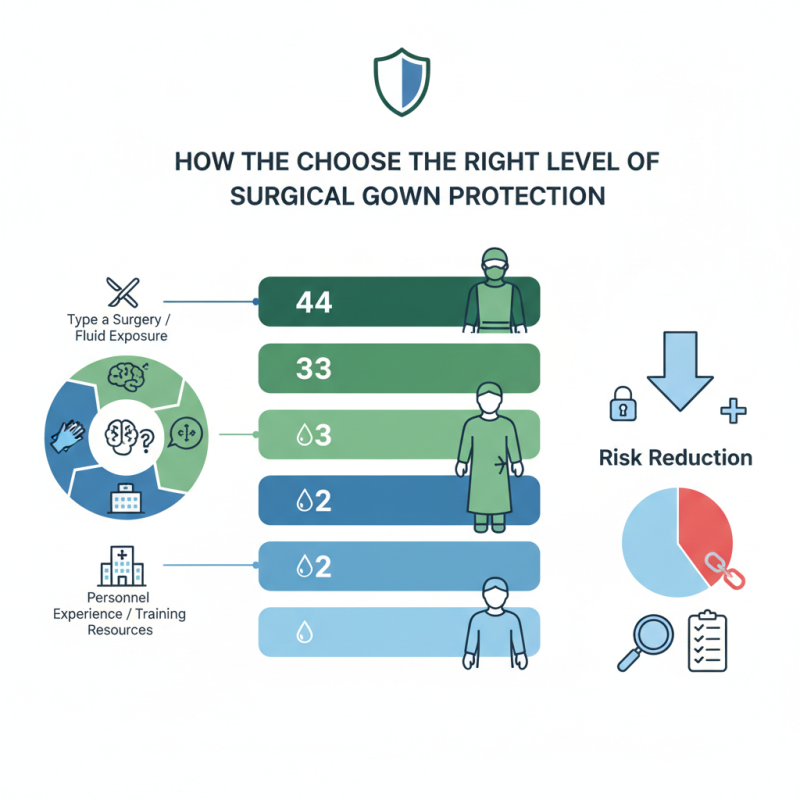
Healthcare professionals must assess the specific risks involved in each procedure. Factors such as the type of surgery, the anticipated exposure to blood and fluids, and the experience of the personnel must be considered. Many clinicians overlook these details, leading to suboptimal choices. Understanding how to choose the right level of surgical gown protection also means recognizing the limitations and potential gaps in training and resources. By addressing these points, healthcare facilities can enhance their protocols and ensure better safety outcomes.
How to Choose the Right Level of Surgical Gown Protection?

Understanding Surgical Gown Protection Levels and Their Importance

Surgical gowns are crucial in maintaining a sterile environment during procedures. They protect both the patient and healthcare workers from contaminants. Understanding the levels of protection is essential for making the right choice.

There are different levels of surgical gowns, each designed for specific situations. Level 1 provides basic protection. It's suitable for low-risk procedures. Level 2 and Level 3 offer more barriers against fluids and pathogens. These gowns are ideal for medium to high-risk surgeries. Choosing the right level can be more complicated than it seems. Many professionals overlook these details. They might grab what is available without considering the risks involved.

It’s vital to assess the surgical environment. Factors like the type of procedure and exposure risk play a role. Are you in a wet area? Will there be a lot of suction? These questions help in choosing the right gown. Not all gowns are created equal, and many may not meet the required standards. It's worth pausing to reflect on the costs of improper protection. An oversight can lead to infections or complications. Prioritizing the right level of protection is critical in healthcare settings.

How to Choose the Right Level of Surgical Gown Protection?

Protection Level Fluid Resistance Material Type Recommended Use Risk Level
Level 1 Minimal polypropylene Basic patient care Low
Level 2 Low SMS fabric General surgery Medium
Level 3 Moderate Polyethylene Surgical and invasive procedures High
Level 4 High Vapor-permeable film High-risk procedures Very High
Level 5 Very High Barrier fabric Extreme conditions Critical

Factors Influencing the Choice of Surgical Gown Protection Level

Selecting the appropriate level of surgical gown protection requires careful consideration. Several factors play a crucial role in this decision-making process. The type of procedure being performed is paramount. High-risk surgeries often necessitate gowns with superior barrier properties. In contrast, lower-risk procedures may allow for lighter protection.

Another influential factor is the potential exposure to bodily fluids. Assessing the volume and type of fluids the surgical team may encounter can guide the choice. Additionally, the duration of the procedure matters; longer surgeries might require more robust protection to ensure safety over time.

Comfort and mobility shouldn't be overlooked. Surgical gowns must allow freedom of movement while providing adequate protection. A gown that is too restrictive might compromise a surgeon's performance. Evaluating the gown's fabric, fit, and design is critical. It can often feel like a balancing act; finding the right gown is not always straightforward and may require trial and error. Ultimately, understanding these factors will lead to better choices regarding surgical gown protection levels.

How to Choose the Right Level of Surgical Gown Protection?

This chart illustrates the various factors influencing the choice of surgical gown protection levels. The protection level required varies based on different surgical environments and specific procedures.

Comparing Different Types of Surgical Gowns and Their Features

When selecting a surgical gown, understanding the various types is crucial. Surgical gowns primarily offer differing levels of fluid resistance. Some gowns are designed for low-risk procedures. They provide minimal barrier protection but are sufficient for simple tasks. Others, however, are intended for high-risk environments. These gowns are constructed with more advanced materials that resist fluid.

The features of surgical gowns vary widely. Gowns can come with reinforced seams, which enhance durability. Some gowns also feature hoods or cuffs for added protection. A gown that is too large or small can hinder movement. It may also increase the risk of exposure. Pay attention to fit; it impacts both comfort and safety.

Breathability is another aspect to consider. A gown that is not breathable can lead to discomfort. Surgeons may underestimate the importance of ventilation. A lack of airflow can cause excess sweating, impacting focus during procedures. Reflect on your specific needs when choosing a gown. The right gown should balance protection and comfort effectively. This choice can significantly affect surgical outcomes.

Guidelines for Selecting the Appropriate Gown Based on Surgical Procedures

Choosing the right level of surgical gown protection is crucial. Different surgical procedures bring different risks. For instance, an open-heart surgery requires higher protection than a simple outpatient procedure. It's vital to assess the potential exposure to blood and bodily fluids during surgery. This assessment guides the selection of suitable gowns.

Tips: Always consider the level of fluid resistance. Higher levels reduce the risk of contamination. Remember, not all gowns fit the same. They should allow easy movement and donning.

Understanding the surgical environment is key. A wet environment demands more protective gear. Surgeons should also reflect on their comfort. Sometimes, overly protective gowns can restrict movement. This can lead to distraction during delicate procedures. Balancing comfort and protection is essential.

Tips: Readjust gowns if they become uncomfortable. Take time to ensure the fit is right. Communication within the surgical team also helps in making informed decisions about gown selection.

Best Practices for Ensuring Gown Compliance and Safety Standards

When selecting surgical gowns, compliance with safety standards is crucial. Healthcare facilities must ensure that gowns meet specific protection levels. Consider the procedures being performed. A high-risk surgery demands a more protective gown. These decisions greatly impact patient outcomes and safety.

Training staff on proper gown usage is essential. Many healthcare workers might not fully understand how to don and doff gowns correctly. This can lead to contamination risks. Providing clear instructions and demonstrations can help. Regular refresher courses can reinforce best practices.

Gowns should be regularly inspected for signs of wear or damage. A torn gown can compromise sterile environments. Staff should be encouraged to report any issues immediately. Encouraging openness can foster a culture of safety. Reflecting on gown compliance can lead to improved practices and patient care.

FAQS

: What are the different levels of surgical gowns?

: Surgical gowns have levels ranging from basic protection to advanced barriers. Level 1 suits low-risk situations. Levels 2 and 3 are for medium to high-risk surgeries.

How do I choose the right surgical gown?

Consider the procedure type and exposure risk. Ask if you’ll be in a wet area or using suction. Assessing these factors is key.

What can happen if I choose the wrong gown?

Improper gown selection can lead to infections or complications. The impact on patient safety and outcomes is significant and should not be overlooked.

Why is the fit of a surgical gown important?

A poorly fitted gown can restrict movement and increase exposure risk. Comfort and fit directly affect safety during procedures, so test for size.

What features should I look for in a surgical gown?

Look for reinforced seams for durability. Hoods or cuffs can offer extra protection. Breathability is also important to prevent discomfort in surgery.

How do I ensure gowns meet safety standards?

Regularly inspect gowns for wear and tear. Ensure they comply with required protection levels for the procedures conducted.

How can staff improve their gown usage?

Provide clear instructions on gown donning and doffing. Regular refresher courses can reinforce the importance of proper usage.

What is the risk of ignoring gown compliance?

Ignoring compliance can compromise sterile environments. It may lead to contamination and negatively impact patient care. Reflecting on practices is beneficial.

How does gown breathability affect surgical performance?

Non-breathable gowns can cause excessive sweating. This discomfort can distract surgeons and reduce focus, impacting surgical outcomes.

Why is it essential to train staff on gown usage?

Many may not fully understand proper techniques. This training can reduce contamination risks and enhance overall safety in healthcare settings.

Conclusion

When considering how to choose the right level of surgical gown protection, it is essential to understand the different protection levels and their significance in ensuring patient and personnel safety during surgical procedures. Factors such as the type of surgery, potential exposure to blood and bodily fluids, and the duration of the procedure play a crucial role in the decision-making process.

By comparing various types of surgical gowns and their specific features, healthcare professionals can better determine the appropriate gown for each situation. Following established guidelines for selecting gowns based on surgical procedures and adhering to best practices can further enhance compliance with safety standards, thereby minimizing the risk of contamination and infection in the surgical environment.

Mason

Mason

Mason is a seasoned marketing professional with a deep expertise in the company's offerings and a passion for driving brand awareness. With a strong background in digital marketing strategies, he has an innate ability to connect with diverse audiences and effectively communicate product benefits.......