How to Choose Non Woven Fabric for Medical Disposables?

Time:2026-05-07 Author:Aria
0%

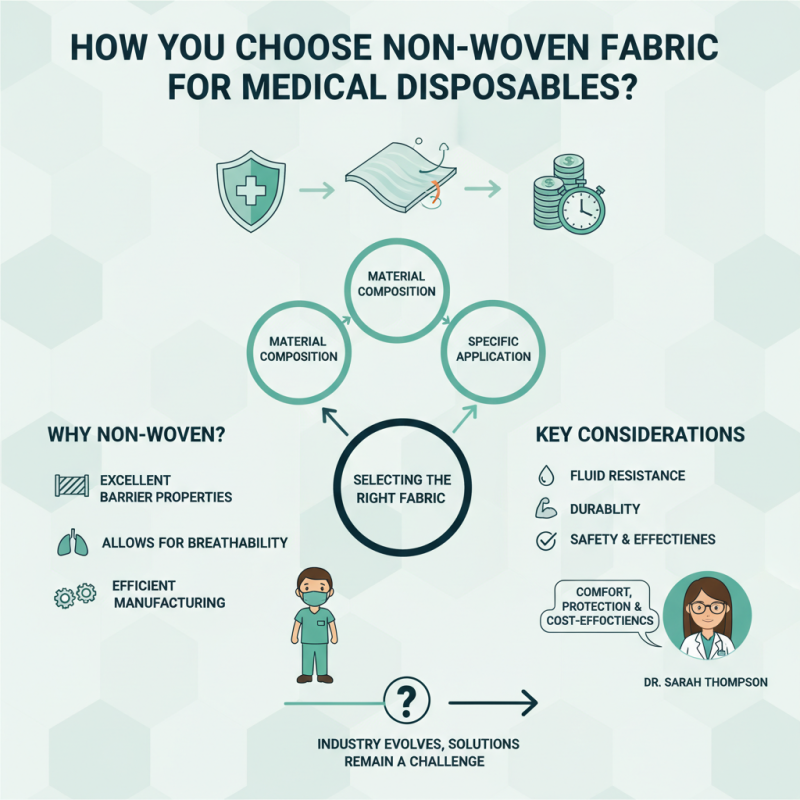
Non-woven fabric has gained popularity in the medical industry, especially for disposable products. But why is non-woven fabric preferred for medical disposables? Dr. Sarah Thompson, an industry expert in medical textiles, explains, "Non-woven fabrics offer optimal balance between comfort, protection, and cost-effectiveness."

One main reason is their excellent barrier properties. This feature protects both patients and healthcare providers. Non-woven fabrics also allow for breathability, essential for maintaining skin health. The manufacturing process is efficient, resulting in quicker production times. However, not all non-woven options are created equal.

Selecting the right non-woven fabric requires careful consideration. Factors like material composition, weight, and specific applications are crucial. Some fabrics may lack the required durability or fluid resistance. Each choice must align with the intended use while ensuring safety and effectiveness in medical settings. As the industry evolves, finding the best solutions remains a challenge.
How to Choose Non Woven Fabric for Medical Disposables?

Factors to Consider When Selecting Non Woven Fabric for Medical Use

Choosing the right non-woven fabric for medical disposables can greatly impact patient care. Several factors are crucial in this decision-making process. Fabric composition plays a significant role. Materials like polypropylene and polyester are commonly used. They offer different levels of breathability and filtration. It's essential to understand the specific needs for absorbency and fluid resistance.

Another key consideration is the fabric's weight and thickness. Heavier fabrics may provide more durability but could reduce comfort. Lighter materials can be breathable and comfortable but might not withstand rigorous use. Testing for strength and barrier properties should be part of the selection process.

Additionally, it's vital to evaluate the fabric's sterility. Non-woven fabrics used in medical settings must meet stringent safety standards. Look for certifications that validate their use in healthcare environments. Even after meeting these requirements, ongoing assessment is necessary. Each application might demand a different approach. Reflecting on these factors can lead to better choices in material selection.

Types of Non Woven Fabrics Commonly Used in Medical Disposables

Non-woven fabrics play a crucial role in medical disposables. Their excellent properties make them a preferred choice for various applications. Common types of non-woven fabrics include SMS (Spunbond-Meltblown-Spunbond), SSMMS, and Spunlace. Each type has unique characteristics that cater to different medical needs.

SMS fabric consists of three layers, offering a balance of strength, fluid resistance, and breathability. It is widely used in surgical gowns, drapes, and masks. SSMMS fabric, with an added layer for increased filtration, is suitable for high-risk environments. Spunlace, on the other hand, is soft and gentle, making it ideal for patient wipes and personal care products.

Tips: Always check the fabric’s fluid resistance and breathability. These factors are crucial in medical applications. Consider the specific requirements of your products. Think about the comfort and safety of end-users. Quality should never be compromised for cost.

Remember that non-woven fabric should align with the intended use. Sometimes, over-engineering a product can lead to unnecessary expense. In such cases, reevaluation might be necessary. Always prioritize the effectiveness and safety of the material in its application.

How to Choose Non Woven Fabric for Medical Disposables? - Types of Non Woven Fabrics Commonly Used in Medical Disposables

Type of Non Woven Fabric Material Composition Common Uses Key Properties
Spunbond Polypropylene (PP) Surgical masks, gowns Lightweight, breathable, strong
SMS (Spunbond-Meltblown-Spunbond) Polypropylene (PP) Medical gowns, drapes Fluid-resistant, sterilizable
Meltblown Polypropylene (PP) Filtration materials, N95 masks High filtration efficiency
Needle Punch Polyester, Polypropylene Wipes, bedding Durable, absorbent
Thermal Bonding Polypropylene (PP) Surgical drapes, covers Fluid resistance, lightweight

Assessing the Quality and Performance of Non Woven Fabrics

When selecting non-woven fabric for medical disposables, quality and performance are crucial. A key factor is the fabric's composition. Non-woven fabrics made from polypropylene are popular due to their durability and resistance to fluids. These materials can provide a reliable barrier, critical for medical applications.

Another aspect to consider is the fabric's breathability. This affects patient comfort and safety. Fabrics with a high degree of air permeability can reduce heat build-up. However, they must still maintain a barrier against contaminants. Testing for both breathability and barrier effectiveness is essential.

Moreover, the fabric's weight and thickness should be evaluated. Heavier materials may offer better protection but can limit flexibility. On the other hand, lighter fabrics may be more comfortable but could compromise strength. Always consider the balance between these factors. An imperfect choice can lead to issues in practical application, making thorough evaluation vital.

Understanding Regulatory Standards for Medical Non Woven Materials

When selecting non-woven fabric for medical disposables, it's essential to understand regulatory standards. Different countries have varying regulations, but most are quite strict. These standards ensure that materials are safe and effective for medical use. Compliance with these regulations can affect market access.

Many medical non-woven materials must meet specific performance criteria. This includes barrier properties against fluids and bacteria. Testing against ISO standards is commonplace. Sterility and durability also play crucial roles. Manufacturers may struggle with balancing cost and quality.

Choosing the right material involves careful evaluation. It is not just about meeting regulations but also ensuring patient safety. Not all non-woven fabrics are suitable for all applications. Close attention should be paid to the particular use-case requirements and the matching of material properties. Establishing a reliable supply chain is pivotal. Discrepancies in material quality can lead to compliance failures.

Material Weight Comparison for Medical Non Woven Fabrics

Cost Analysis and Budgeting for Non Woven Fabric Procurement

When planning to procure non-woven fabric for medical disposables, it's crucial to analyze costs thoroughly. Understanding the overall budget is essential. Costs vary widely based on quality, type, and supplier. For example, some fabrics offer better barrier properties, yet come with a higher price tag. It’s tempting to choose the cheapest option, but this could lead to compromises in quality and safety.

Creating a budget requires careful consideration of various factors. Look at the volume needed, potential wastage, and transportation costs. Engage with multiple suppliers to compare quotes. This process can expose discrepancies in pricing. Often, a lower price may indicate lower quality, which could incur additional costs later.

Some organizations overlook the importance of sustainable options. Eco-friendly materials may have a higher initial cost. However, they often lead to long-term savings and enhance brand reputation. Balancing cost and quality can be challenging. Regular reviews of budget forecasts can help avoid overspending. Consider pilot testing before large purchases. This strategy ensures that the chosen fabric meets all requirements without affecting the budget negatively. Such reflection can help refine procurement strategies.

FAQS

: What materials are commonly used in non-woven fabrics for medical applications?

: Materials like polypropylene and polyester are frequently used. They differ in breathability and filtration properties.

How does fabric weight affect non-woven medical materials?

Heavier fabrics often provide durability but may reduce comfort. Lighter options are more breathable but less robust.

Why is fabric sterility important for medical non-woven materials?

Sterility is crucial for patient safety. Non-woven fabrics must meet strict safety standards for healthcare environments.

What types of non-woven fabrics are used in medical disposables?

Common types include SMS, SSMMS, and Spunlace. Each has specific characteristics for different medical needs.

How can manufacturers ensure compliance with regulatory standards?

They must understand local regulations and test materials against ISO standards. Compliance is essential for market access.

What is the role of fluid resistance in non-woven fabrics?

Fluid resistance is vital for preventing contamination. It affects the choice of fabric in various medical applications.

How should cost and quality be balanced in material selection?

Quality should not be compromised for lower costs. Evaluating both aspects is crucial for product effectiveness.

What factors should be evaluated when selecting non-woven fabric?

Consider properties like absorbency, filtration, weight, and intended use. Each application has unique requirements.

How can over-engineering affect non-woven medical products?

Over-engineering can lead to unnecessary costs. Reevaluation is necessary to align quality with application needs.

Why is ongoing assessment important after selecting non-woven fabrics?

Ongoing assessment ensures the fabric continues to meet safety and effectiveness standards over time.

Conclusion

When selecting non-woven fabric for medical disposables, various factors come into play, including material properties, intended use, and regulatory compliance. Non-woven fabrics offer several advantages in medical applications, such as their lightweight nature, breathability, and cost-effectiveness. These attributes contribute to why non-woven fabric is preferred for medical disposables, as they ensure comfort and safety for patients while meeting stringent health standards.

Understanding the different types of non-woven fabrics commonly used in medical disposables is essential for making informed choices. Additionally, assessing the quality and performance of these materials, alongside a thorough review of regulatory standards, is crucial for compliance and efficacy. Cost analysis and budgeting are also important considerations to ensure that the procurement of non-woven fabric aligns with both financial constraints and quality needs.

Aria

Aria

Aria is a dedicated marketing professional with a deep passion for innovative strategies and a keen understanding of our company's product offerings. With a wealth of experience in the industry, Aria excels at crafting engaging content that highlights the unique features and benefits of our......