In the realm of medical procedures, ensuring equipment safety is paramount. Choosing the right sterile cover for a C-arm or microscope is essential. This decision impacts both patient outcomes and operational efficiency.
When considering how to choose a sterile cover for a C-arm or microscope, various factors come into play. Material types, compatibility, and ease of application are just a few aspects that professionals must weigh. For instance, some covers may not adhere well, leading to contamination risks during procedures. It is critical to prioritize quality and reliability.
Expert insights reveal that understanding specific equipment needs can guide selections. Often, institutions may overlook details or choose based on cost rather than quality. This can lead to regrettable outcomes, emphasizing the need for careful consideration. The right sterile cover enhances procedural safety and instills confidence in medical teams. It is worth reflecting on past choices to improve future selections.
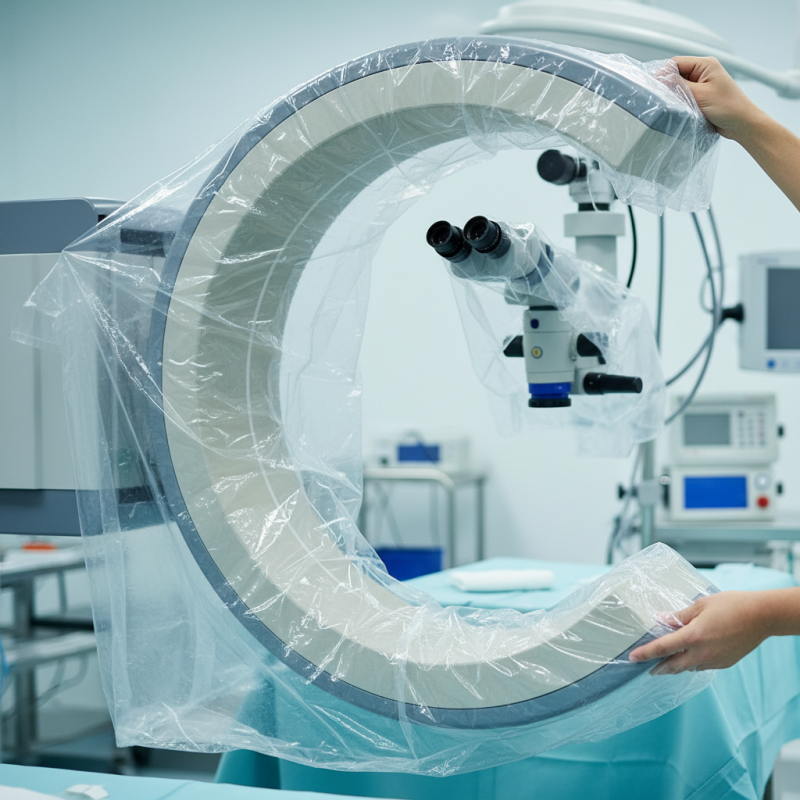
Sterile covers are crucial for C-arms and microscopes. They safeguard sensitive equipment during medical procedures. Using these covers minimizes the risk of contamination. This protection is vital in any surgical environment. Inadequate coverage can lead to infections, complicating patient recovery.
Choosing the right sterile cover requires understanding its material. Select covers that offer barrier protection while maintaining visibility. This balance is critical for precision in medical procedures. Some materials may not adhere properly, leading to exposure. It’s important to ensure that the cover fits snugly around the equipment.
Considering environmental factors is also essential. Changes in temperature or humidity can affect the integrity of the covers. Regularly review the quality and storage of these covers. Staff training on proper usage can prevent errors and oversights. Effective communication about best practices is key to maintaining sterile conditions.
When selecting sterile covers for C-arms or microscopes, several key features come into play. Understanding these features can enhance the effectiveness of medical procedures. One crucial aspect to consider is the material. Many sterile covers utilize polyethylene or similar materials, which offer a balance between durability and visibility. Reports indicate that covers made from high-density polyethylene reduce the risk of contamination during surgeries.
Another important feature is the size and fit of the cover. It should adequately fit the equipment without excessive overlap, which can harbor bacteria. A study found that improperly fitting covers allowed a 15% higher rate of microbial growth. This emphasizes the need for precise measurements when selecting the right cover.
Tips: Always check the manufacturer's specifications. Look for certifications indicating the cover meets hygiene standards. Regular audits of sterile cover usage can help identify areas for improvement and ensure compliance with best practices.
User feedback suggests ease of handling is vital.
Covers should be easy to apply and remove to minimize cross-contamination risks. Taking time to evaluate these factors can refine your selection process and ultimately enhance patient safety in healthcare settings.
When selecting a sterile cover for C-arm or microscope equipment, material choice is crucial. Vinyl, for instance, offers moisture resistance and durability, making it a popular option. However, it may not provide optimal breathability, which is essential during long procedures. On the other hand, non-woven fabrics strike a balance between protection and air circulation. They are often lightweight and comfortable, catering to extended use.
Another material to consider is polyethylene. It is often used due to its strength and flexibility. Yet, it can be less environmentally friendly than other options. Understanding the specific requirements of your procedure is crucial. This can lead to reflections on sustainability and patient safety. Manufacturers continually innovate, but not all products are created equal. Assessing the effectiveness of sterile barrier materials is imperative.
In conclusion, selecting the right material requires careful thought. Reassessing past choices might reveal better alternatives. Understanding the pros and cons of each option fosters an informed decision.
When selecting a sterile cover for C-arms or microscopes, compatibility is crucial. A study by the Medical Device Safety Institute highlights that improper fit can lead to complications, including contamination of sterile fields. Each C-arm and microscope model has specific dimensions and contours. A mismatch may restrict access or hamper functionality during procedures. Always consult specifications and measurement charts before deciding.
Precision in fit is essential. Research shows that over 30% of medical professionals encounter issues with inadequate sterile covers. This can jeopardize patient safety. High-quality covers are made from materials that don’t interfere with imaging quality. Not all covers are created equal; some may alter the signal quality. Material transparency and durability matter.
Choosing the right cover involves trial and error. Many users report difficulties in finding products that consistently perform well. Feedback from professionals indicates that testing different options is necessary. Be prepared to adjust your selection based on user experience and model specifics. Stay mindful of evolving product lines and innovations that impact compatibility.
When handling sterile covers for C-arms or microscopes, proper application and removal are crucial. Start by cleaning the equipment thoroughly before applying the cover. Ensure you are wearing sterile gloves. The cover should fit snugly, avoiding any air pockets. An improperly fitted cover can lead to contamination. It’s vital to check for tears or holes, as these can compromise sterility.
Removing the sterile cover requires attention as well. Always pull it away from your body and avoid contact with non-sterile surfaces. Dispose of the cover in a designated waste container right away. This practice minimizes the risk of cross-contamination. It might seem easy, but many overlook the importance of this step. Ensure that your team is trained and understands the significance of maintaining sterility throughout the procedure. Regular audits can help identify areas for improvement in this practice.
: Sterile covers protect sensitive equipment during procedures and minimize contamination risks, vital for patient safety.
Look for polyethylene or similar materials. They offer durability and visibility without compromising protection.
Covers must fit snugly without excessive overlap. Poor fit can lead to higher microbial growth risks.
Temperature and humidity changes can impact the integrity of covers. Regular quality checks are essential.
Proper training helps prevent errors in application and encourages adherence to best practices, enhancing safety.
Always verify manufacturer specifications. Look for certifications ensuring compliance with hygiene standards.
Yes, improper fit can lead to contamination and affect functionality. Ensure compatibility with specific equipment models.
Many professionals struggle with finding reliable covers that provide a good fit and performance consistently.
Easy application and removal are vital to minimize contamination risks. Evaluate handling when selecting covers.
When considering how to choose a sterile cover for a C-arm or microscope, it is essential to understand the significance of these covers in maintaining a sterile environment during medical procedures. Key features to look for include material quality, durability, and the ease of application and removal. Comparing different material options can help in selecting covers that provide optimal protection while ensuring compatibility with specific C-arm and microscope models.
Additionally, adopting best practices for application and removal of sterile covers is crucial to prevent contamination and ensure patient safety. By carefully assessing these factors, healthcare professionals can make informed decisions that enhance both the functionality of their equipment and the overall effectiveness of their medical interventions.
NW Medical