2026 Top What Is the Shelf Life of Disposable Dressing Packs?

Time:2026-09-16 Author:Oliver
0%

A sterile disposable dressing pack may look ready for use, sealed in a clean pouch with every item arranged inside. However, its safe storage period depends on more than the printed date. Manufacturers determine shelf life through packaging validation, sterilization records, material stability, and simulated storage conditions. Healthcare facilities should follow the product label and instructions for use.

The key question is: what is the shelf life of a sterile disposable dressing pack? There is no universal answer. Many packs carry an expiry period of several years, but the exact duration varies by manufacturer, packaging design, sterilization method, and regional requirements. A pack stored in a dry medical cabinet is not equivalent to one kept beside a sink, under direct sunlight, or beneath heavy cartons. Small details matter.

Check the expiry date and lot number.

Inspect the pouch carefully. Tears, punctures, opened seals, moisture stains, faded labels, or crushed corners can compromise confidence in sterility. Even an unopened pack should be removed from use when its packaging is damaged or its expiration date has passed. Stock rotation, such as first-expiring, first-out control, also reduces avoidable waste.

This topic often receives overly simple answers. Expiry dates are important, but they do not replace storage controls or professional judgment. Conversely, an intact package does not automatically prove indefinite safety. Clinical teams should document storage conditions, quarantine questionable packs, and confirm uncertainty with the manufacturer or infection-prevention lead. This practical guide examines shelf-life factors, packaging integrity, storage mistakes, and safer decision-making for disposable dressing packs in 2026.
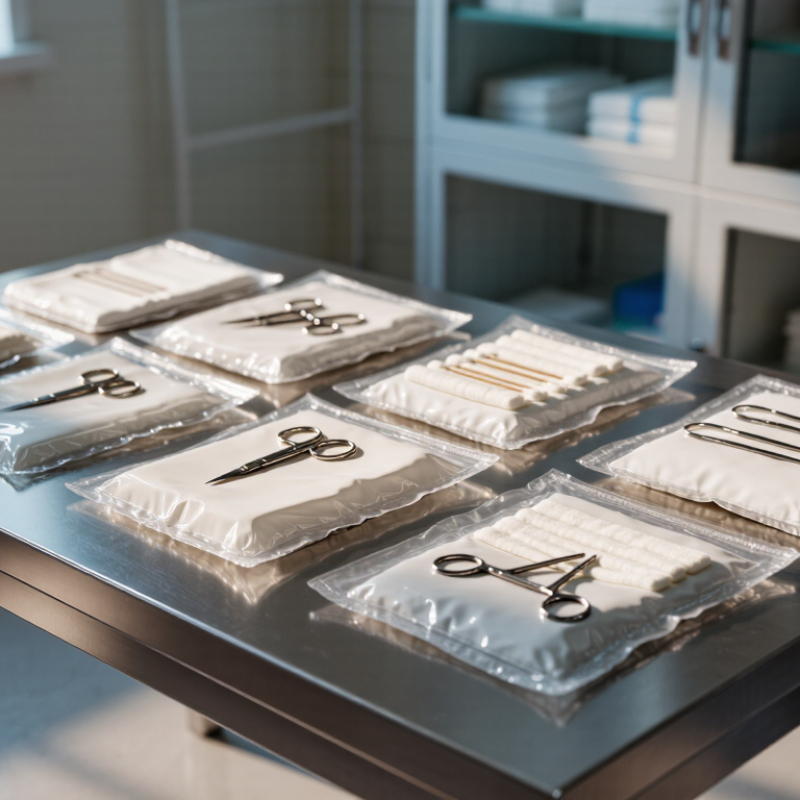
2026 Top What Is the Shelf Life of Disposable Dressing Packs?

What Is the Shelf Life of Disposable Dressing Packs?

What Is the Shelf Life of Disposable Dressing Packs?

The shelf life of a disposable dressing pack is usually printed on its outer packaging. Many sterile packs remain usable for three to five years from manufacture. However, this range is not universal. The manufacturer’s expiry date and storage instructions should always control. Sterility depends on the sealed barrier, not only the age of the pack.

Store packs in a clean, dry cabinet away from sunlight, moisture, dust, and sharp objects. Avoid placing heavy cartons on top of them. A damp storeroom can weaken paper packaging, while excessive heat may affect sterile materials. Keep older stock accessible and check dates during routine inventory reviews. Small details matter.

Inspect every pack before opening it. Do not use it if the seal is lifted, torn, wet, punctured, or visibly dirty. A pack can look normal at a glance but still have a compromised barrier. That is an easy mistake to make. Expired packs should not be used for wound care, even when the contents appear untouched. In practice, expiry checks are sometimes treated as paperwork rather than patient safety. That habit deserves reconsideration. When the date is unclear, storage conditions are uncertain, or the packaging looks suspicious, isolate the pack and seek guidance from the responsible healthcare professional or supplier.

What Determines the Expiration Date of a Dressing Pack?

The expiration date of a disposable dressing pack is not chosen by calendar habit. It reflects how long the pack can preserve sterility, material performance, and safe usability. ISO 11607-1:2019 requires sterile barrier systems to maintain integrity through aging and distribution testing. A torn pouch, weak seal, or damp internal layer can invalidate the date, even when the printed label looks clear.

Storage conditions strongly influence shelf life. ASTM F1980-21 uses a default Q10 value of 2.0 for accelerated aging, meaning some degradation reactions may double with every 10°C temperature increase. For example, heat exposure at 55°C can model aging faster than normal room storage. This is useful, but it is still a prediction. Real-time aging remains important. Humidity, ultraviolet light, compression, and repeated handling also affect packaging performance.

The dressing materials matter too. Cotton, nonwoven fabric, adhesive components, and absorbent layers may lose strength or cleanliness at different rates. A 2023 sterile-packaging industry survey reported that seal integrity and storage control were frequent concerns during internal audits, especially in high-humidity areas. That finding deserves caution because survey methods vary. In practice, I would inspect the pouch before use: check the seal, discoloration, moisture, and stiffness. An undamaged package is reassuring, not proof. Shelf life should be supported by validated testing, recorded storage conditions, and periodic review.

How to Read Sterility and Expiration Labels

2026 Top What Is the Shelf Life of Disposable Dressing Packs?

How to Read Sterility and Expiration Labels

A disposable dressing pack has no universal shelf life. Its manufacturer establishes the expiry date through packaging and stability testing under defined storage conditions. ISO 11607-1:2019 focuses on sterile barrier performance, not one fixed expiration period. Therefore, read the pack label, instructions for use, and facility policy together.

Look for EXP, Use By, LOT, and the sterilization symbol. Do not confuse the production date with the expiry date. A date such as 06/08/26 may mean June 8 or August 6. Check the stated format. If only a month and year appear, follow the manufacturer’s rule; do not guess the final valid day. A sterile indicator shows a process response, but it does not prove an intact package. Inspect seals, punctures, moisture, opened corners, and faded printing. Tiny damage matters.

The CDC reports that about one in 31 U.S. hospital patients has a healthcare-associated infection on any given day. The WHO’s 2022 global report also links infection prevention failures with significant patient harm. These figures make label checking more than a paperwork task. Store packs dry, clean, and away from crushing pressure. Use first-expiring stock first. A rushed visual check can miss a seal channel. I sometimes find date reading treated as certainty, although storage history remains imperfect. When the label is unclear or the package is damaged, quarantine it and seek documented guidance.

2026 Top What Is the Shelf Life of Disposable Dressing Packs? - How to Read Sterility and Expiration Labels

Data Dimension What the Label or Packaging Tells You How to Read It Safe Handling Decision
Shelf-life period Disposable dressing packs do not have one universal shelf-life period. The validated shelf life is set by the manufacturer for the specific pack configuration and packaging system. Use the printed use-by or expiration date rather than estimating a period such as three or five years. Use only before the stated expiration date and only when the package remains intact and properly stored.
Expiration or use-by date This is the date through which the product is intended to meet its specified safety and performance requirements when stored as directed. Look for “EXP,” “Use by,” or the standardized hourglass date symbol. Dates may appear as YYYY-MM-DD, DD-MM-YYYY, or another format specified on the label. Do not use after the date. If only month and year are shown, follow the instructions for use and applicable local labeling convention; do not assume a format.
Manufacturing date The production date identifies when the pack or a component was manufactured; it is not the same as the expiration date. Look for “MFG,” “DOM,” or the date-of-manufacture symbol. A manufacturing date alone does not confirm current sterility. Use the expiration or use-by date for acceptance. Contact the supplier or check the product documentation if the expiration date is missing.
Sterile status A sterile-pack label indicates that the contents were sterilized using the stated validated process and are intended to be sterile until the sterile barrier is compromised or the expiration date is reached. Check for the sterile symbol and any method information, such as ethylene oxide, radiation, or steam, when provided. Do not use if the pack is expired, opened, wet, torn, punctured, or otherwise compromised.
Sterile barrier integrity The pouch, seal, tray, or wrap protects the contents from contamination during the validated storage period. Inspect all surfaces and seals for holes, open edges, broken seals, moisture, discoloration, or heavy abrasion. Treat any visible damage or moisture as a loss of sterility. Segregate the pack and replace it.
Lot or batch number The lot or batch code supports traceability, quality investigations, and targeted product recalls. Look for “LOT,” “Batch,” or the corresponding standardized lot-code symbol. Record the lot number when required by facility policy. Do not use it as a substitute for an expiration date.
Storage conditions Shelf life assumes storage within the temperature, humidity, light, and handling limits stated in the labeling. Check for temperature limits, humidity warnings, “keep dry,” “protect from sunlight,” and stacking or handling instructions. Store in a clean, dry area away from direct sunlight, chemicals, sharp objects, and excessive compression. Follow the product instructions when storage conditions are unknown.
Single-use marking A single-use symbol means the pack or designated component is intended for one procedure or one patient use, as specified in the instructions. Look for the “Do not reuse” symbol or wording such as “single use only.” Discard after use. Do not clean, repackage, or resterilize unless the labeling specifically authorizes that process.
Opening before use Opening the pack exposes the contents to the environment and ends the original sterile-barrier claim, even when the contents are not used. Check whether the pouch or wrap has been opened, resealed, or partially peeled back. Use promptly according to clinical procedure. Do not return opened contents to sterile storage.
Damaged or unreadable label Missing, smeared, or unreadable expiration and lot information prevents reliable verification of identity, traceability, and shelf life. Compare the pack with inventory records only when the product identity can be confirmed without doubt. Quarantine the pack and obtain a replacement. Do not use an item with an unverifiable expiration date or sterility status.

Key rule: A disposable dressing pack should be considered acceptable only when its use-by date has not passed, the label is readable, the sterile barrier is intact, and the storage conditions have been maintained according to the product instructions.

How Storage Conditions Affect Dressing Pack Shelf Life

2026 Top What Is the Shelf Life of Disposable Dressing Packs?

Storage conditions strongly influence how long a disposable dressing pack remains safe and usable. The expiry date is not a universal guarantee. It depends on packaging materials, sterilization validation, and warehouse conditions.

ISO 11607-1:2019 requires sterile barrier systems to maintain sterility until use. Heat, moisture, light, and compression can weaken that barrier over time. The World Health Organization recommends controlling medical storage areas, with clean, dry, and well-ventilated conditions. A damp storeroom can soften cartons and damage seals. Direct sunlight may also age plastic components.

ASTM F1980-21 uses a Q10 value of 2 for accelerated aging. This model suggests that some degradation reactions may double for every 10°C increase. It supports shelf-life testing, but it is not a substitute for real-time studies. That assumption is useful, not perfect.

In practice, many facilities record temperature and relative humidity continuously. A practical target is often 15–30°C, with moderate humidity and no condensation. Packs should remain in original cartons, away from floors, windows, and chemicals. Heavy stacking can create invisible seal stress. Inspect each pack before use. Look for torn pouches, lifted seals, stains, or crushed corners. A pack may still look clean. The sterile barrier may already be compromised. Retain batch records and follow the validated expiry date, even when storage appears acceptable.

2026: What Is the Shelf Life of Disposable Dressing Packs?

How Storage Conditions Affect Dressing Pack Shelf Life

Storage conditions mainly affect the sterile barrier and packaging integrity rather than creating a universal expiry period. This qualitative risk score is based on recognized packaging and sterilization principles in ISO 11607 and ASTM F1980: cool, dry, protected storage presents the lowest risk, while heat, humidity, condensation, sunlight, and wet handling increase the chance of seal or material degradation. Always follow the manufacturer’s labeled expiry date and discard packs with damaged, wet, open, or compromised packaging.

When Should an Expired Dressing Pack Be Replaced?

2026 Top: What Is the Shelf Life of Disposable Dressing Packs?

An expired dressing pack should be replaced before patient care begins. The printed expiry date marks the validated period for sterility and packaging performance. Do not open it “just this once.” A damaged seal, torn wrapper, moisture stain, or crushed corner also requires replacement. Even when the date looks acceptable, poor storage can weaken the sterile barrier. Keep packs in a clean, dry cabinet away from sunlight, chemicals, dust, and heavy pressure. Rotate older stock forward.

Check every pack at the point of use. Look for a clear date, intact seals, and a dry, undisturbed wrapper. If the label is unreadable, treat the pack as unsuitable. A pack that fell onto the floor should not return to the shelf. This sounds obvious, yet busy rooms make small errors easier. Follow the facility’s procedure and the manufacturer’s instructions for storage and disposal. Shelf life is not always identical across pack types. It may vary with materials, sterilization methods, and packaging design. When doubt remains, choose a new pack and report the concern to the responsible supervisor. That extra step can feel inefficient, but patient safety matters more than avoiding minor waste.

FAQS

What storage conditions can shorten a disposable dressing pack’s shelf life?

Heat, moisture, sunlight, and compression can weaken the sterile barrier. A damp carton may hide seal damage. Storage records deserve review.

What temperature range is commonly used for dressing pack storage?

Many facilities target 15–30°C with moderate humidity. Avoid condensation, direct sunlight, and poorly ventilated rooms. Local validated requirements still matter.

Should dressing packs remain in their original cartons?

Yes, original cartons provide added protection from dust, pressure, and light. Keep them off floors and away from chemicals. Small storage shortcuts can create problems.

What should staff inspect before using a dressing pack?

Check the expiry date, wrapper, seals, and corners. Reject packs with tears, lifted seals, stains, moisture, or crushing. Look closely.

Can a pack be used after its printed expiry date?

No. Replace it before patient care begins. The expiry date reflects validated sterility and packaging performance. “Just this once” is not a safe exception.

What if the expiry date is valid but storage conditions were poor?

Treat the pack cautiously if it experienced heat, dampness, sunlight, or heavy pressure. Inspect it and follow facility procedures. A clean appearance proves little.

Should a dressing pack be returned to the shelf after falling on the floor?

No. Remove it from usable stock and follow the approved disposal procedure. Busy rooms invite small mistakes. That risk deserves attention.

Does shelf life vary between different dressing pack types?

Yes, shelf life may vary with packaging materials, sterilization methods, and pack design. Use the validated expiry date for that specific pack. Assumptions can be wrong.

What should staff do when the label is unreadable?

Treat the pack as unsuitable for use. Do not guess the date or batch information. Report the concern to the responsible supervisor. Waste is frustrating, but safety comes first.

Conclusion

Understanding what is the shelf life of a sterile disposable dressing pack is essential for maintaining safe and effective wound care. The usable period is usually determined by the packaging materials, sterilization method, seal integrity, and manufacturer’s validated testing. The expiration date and sterility information should be checked on the outer package, with attention to lot details, sterilization indicators, and any instructions for use. A pack should remain unopened and intact until needed.

Storage conditions also influence product quality. Excessive heat, moisture, sunlight, dust, or pressure can damage packaging and reduce the protection of the sterile contents, even before the printed expiration date. Dressing packs should therefore be stored in a clean, dry, temperature-controlled area and handled carefully. Replace any pack that is expired, torn, punctured, wet, unsealed, or otherwise compromised. When there is uncertainty about sterility or packaging condition, it is safer to select a new, properly stored pack.

Oliver

Oliver

Oliver is a seasoned marketing professional with a wealth of expertise in driving brand awareness and engagement. With a deep understanding of our company's product offerings, he consistently delivers high-quality content that enriches our professional blog. His insights not only shed light on......